





Many assume magnesium is a guaranteed natural sleep aid, but scientific research paints a more nuanced picture. While magnesium plays a critical role in muscle relaxation, which is important for sleep, its direct impact on sleep quality remains mixed in clinical studies. Understanding how magnesium affects your muscles and what realistic expectations you should have before trying supplements can help you make informed decisions about incorporating this mineral into your bedtime routine.
Table of Contents
- The Science Behind Magnesium’s Muscle Relaxation Role
- Magnesium’s Impact On Sleep Quality And Muscle-Related Sleep Disorders
- Practical Use: Choosing Magnesium Forms And Incorporating Supplements For Sleep Support
- The Bigger Picture: Magnesium’s Role In Overall Wellness And Sleep Health
- Discover Quality Magnesium Products For Better Sleep
Key takeaways
| Point | Details |
|---|---|
| Magnesium relaxes muscles | Acts as a natural calcium antagonist, reducing muscle excitability and tension essential for sleep. |
| Deficiency impacts sleep | Low magnesium impairs sleep quality and duration, with supplements showing modest benefits in some individuals. |
| Limited sleep evidence | Research shows inconsistent results for direct sleep improvement from magnesium supplementation alone. |
| Calcium channel regulation | Magnesium modulates calcium channels, preventing excessive muscle contraction and supporting relaxation. |
| Holistic approach works best | Combining magnesium with proven sleep hygiene practices yields better results than supplements alone. |
The science behind magnesium’s muscle relaxation role
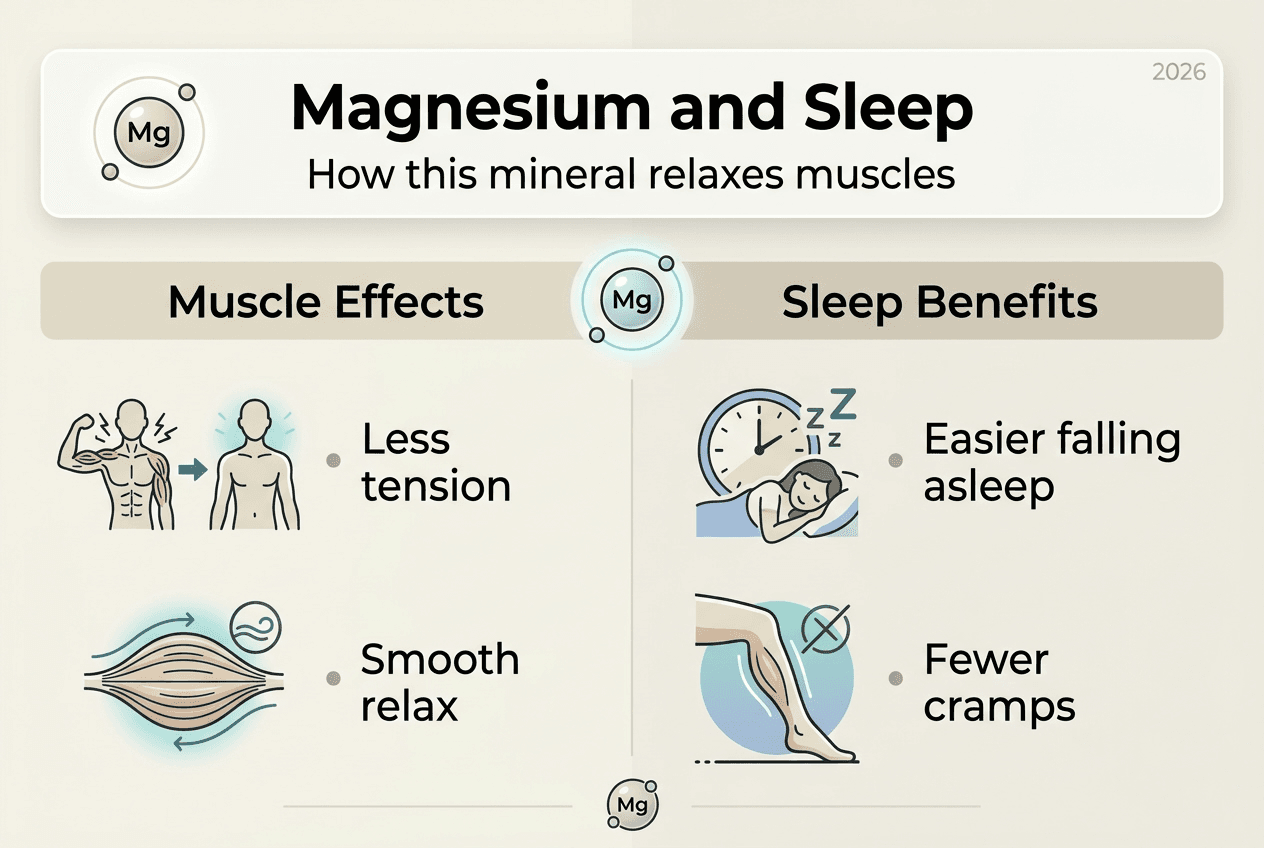
Your muscles need calcium to contract and magnesium to relax. Magnesium acts as a natural calcium antagonist regulating muscle contraction and relaxation by competing with calcium at protein binding sites. When you’re low on magnesium, calcium dominates, keeping your muscles in a state of tension that makes falling asleep difficult.
The mineral works through several sophisticated mechanisms. Magnesium inhibits L-type calcium channels reducing calcium influx into muscle fibers, which directly promotes relaxation. It competes with calcium on muscle proteins like troponin and ryanodine receptors, preventing the excitation-contraction coupling that causes muscles to tighten. This inhibition stops excessive muscle fiber contraction and supports the relaxation necessary to drift off peacefully.
Beyond skeletal muscles, magnesium relaxes smooth muscles throughout your body. It inhibits calcium channels in smooth muscle tissue, aiding bronchodilation and vasodilation. These effects may improve breathing and circulation during sleep, creating more favorable conditions for rest. When magnesium levels drop, intracellular calcium rises, increasing muscle tone and potentially contributing to sleep disturbances you might not even recognize as muscle-related.
Pro Tip: Maintaining adequate magnesium levels is crucial not only for muscle relaxation but also to reduce inflammation and oxidative stress in muscles, protecting them from damage during recovery.
Magnesium’s muscle relaxation benefits extend to multiple body systems:
- Skeletal muscle relaxation reduces nighttime tension and twitching
- Smooth muscle relaxation improves vascular function and breathing
- Reduced calcium overload prevents muscle fiber damage
- Lower muscle excitability decreases involuntary contractions
Consider exploring topical magnesium muscle relaxation options that deliver the mineral directly to tense areas. This targeted approach can complement dietary intake and provide localized relief where you need it most.
Magnesium’s impact on sleep quality and muscle-related sleep disorders
While magnesium’s muscle relaxation mechanisms are well-established, its effects on actual sleep outcomes tell a more complicated story. Magnesium supplementation modestly reduces sleep onset latency by about 17 minutes in adults with insomnia. However, studies show little impact on total sleep duration, meaning you might fall asleep faster but not necessarily sleep longer.

The relationship between magnesium and muscle-related sleep disorders reveals surprising complexity. Some observational studies found higher rates of night cramps and restless leg syndrome among magnesium supplement users, suggesting interactions researchers don’t fully understand yet. This doesn’t mean magnesium causes these conditions, but it highlights that supplementation isn’t a universal solution.
Research hasn’t consistently demonstrated that magnesium improves subjective or objective sleep quality across all populations. The benefits appear most pronounced in people with low baseline dietary magnesium intake, identifying a potential high responder subgroup. If you already consume adequate magnesium through food, supplements may offer minimal additional sleep benefits.
Pro Tip: Before starting magnesium supplements for sleep or muscle cramps, rule out underlying sleep disorders like sleep apnea or periodic limb movement disorder, and prioritize established therapies that address root causes.
Key findings from recent sleep research include:
- Modest sleep onset improvements in magnesium-deficient individuals
- No consistent evidence for increased total sleep time
- Mixed results on restless leg syndrome and night cramps
- Stronger benefits in populations with documented deficiency
- Limited impact on sleep architecture or deep sleep stages
For comprehensive insights into sleep quality outcomes, review our magnesium sleep quality research. If you experience restless legs natural relief, exploring multiple approaches beyond supplementation often yields better results.
Practical use: choosing magnesium forms and incorporating supplements for sleep support
Not all magnesium supplements work the same way. Magnesium bisglycinate modestly improved insomnia severity with a small effect size in adults reporting poor sleep quality. This form offers good bioavailability and tends to cause fewer digestive issues than cheaper alternatives like magnesium oxide.
Magnesium L-threonate shows different benefits. This form improved cognitive functions and some subjective sleep measures but not objective sleep quality in healthy adults. It crosses the blood-brain barrier more effectively, making it popular for brain health rather than pure muscle relaxation.
Typical supplemental dosing ranges around 15 mmol per day, though individual needs vary based on dietary intake and absorption. Excess supplementation can cause digestive upset, diarrhea, and other side effects. Start low and increase gradually while monitoring your response.
Topical magnesium options provide muscle relaxation benefits with less digestive upset. Applying magnesium oil or lotion directly to tense muscles before bed may complement oral supplementation, delivering the mineral where you need it most. Many people find this approach particularly helpful for localized muscle tension or cramps.
| Magnesium Form | Pros | Cons | Best For |
|---|---|---|---|
| Bisglycinate | High absorption, gentle on digestion, modest sleep benefits | More expensive than other forms | General sleep support and muscle relaxation |
| L-threonate | Crosses blood-brain barrier, cognitive benefits | Limited muscle relaxation evidence, pricey | Cognitive function and subjective sleep feelings |
| Citrate | Good absorption, affordable | Can cause digestive upset, laxative effect | Constipation relief alongside sleep support |
| Topical | Localized muscle relief, no digestive issues | Absorption varies, may irritate sensitive skin | Targeted muscle tension and cramps |
Pro Tip: Combine magnesium supplementation with good sleep hygiene practices like consistent bedtime routines, cool room temperatures, and limiting screen time for best results rather than relying on supplements alone.
Follow these steps to incorporate magnesium effectively:
- Assess your current dietary magnesium intake from foods like leafy greens, nuts, and whole grains
- Choose a supplement form based on your specific needs and tolerance
- Start with a lower dose and take it 30 to 60 minutes before bedtime
- Apply topical magnesium to tense muscles as part of your wind-down routine
- Monitor your sleep quality and muscle comfort over several weeks
- Adjust dosing or forms based on your individual response
Explore our detailed magnesium supplement types guide for more information on selecting the right form. Learn about magnesium topical applications to enhance your bedtime muscle relaxation routine.
The bigger picture: magnesium’s role in overall wellness and sleep health
Magnesium’s importance extends far beyond muscle relaxation for sleep. The mineral normalizes blood pressure and inhibits inflammatory agents contributing to muscle tension and sleep disturbances. By promoting vasodilation through smooth muscle relaxation, it helps regulate cardiovascular function that supports restorative sleep.
The anti-inflammatory effects matter more than many realize. Magnesium helps protect muscle cells from inflammation-induced damage and oxidative stress. It reduces histamine release and reactive oxygen species production, lowering inflammation that can interfere with both muscle relaxation and sleep quality. This protection becomes especially important during periods of physical stress or intense exercise.
Adequate magnesium supports over 600 enzymatic functions throughout your body. These include processes crucial to muscle health, energy metabolism, protein synthesis, and neurotransmitter regulation. When you view magnesium through this broader lens, its role in sleep becomes one piece of a comprehensive wellness puzzle.
Holistic benefits of adequate magnesium include:
- Improved cardiovascular health through blood pressure regulation
- Reduced muscle cramps and nighttime discomfort
- Better stress response and cortisol regulation
- Enhanced cognitive function and mental clarity
- Support for bone health and calcium metabolism
- Reduced systemic inflammation affecting multiple body systems
Viewing magnesium as part of a comprehensive wellness and sleep strategy rather than a single fix sets realistic expectations. The mineral works best when combined with other evidence-based approaches like cognitive behavioral therapy for insomnia, consistent sleep schedules, and stress management techniques. No supplement can compensate for poor sleep habits or unaddressed health conditions.
For more on magnesium’s broad impact, explore our magnesium wellness benefits guide. Understanding how this essential mineral fits into your overall health picture helps you make informed decisions about supplementation and lifestyle changes.
Discover quality magnesium products for better sleep
Now that you understand how magnesium supports muscle relaxation and sleep, you can explore practical solutions that fit your routine. Moose’s Tallow offers magnesium-infused products designed to soothe tense muscles and promote restful nights through simple, nourishing formulas.

Our magnesium product collection pairs beautifully with your bedtime wind-down. Try our magnesium infused body butter on tired legs and shoulders before bed for targeted muscle comfort. The tallow base delivers magnesium while deeply moisturizing skin, creating a soothing ritual that signals your body it’s time to rest. Consistent use combined with good sleep practices enhances the benefits you’ll experience. Learn more through our detailed magnesium sleep science guide to make informed choices for your wellness journey.
How magnesium relaxes muscles for sleep: common questions
What role does magnesium play in muscle relaxation for sleep?
Magnesium acts as a natural calcium antagonist, competing with calcium at muscle protein binding sites to prevent excessive contraction. It inhibits calcium channels that trigger muscle fiber tightening, allowing muscles to release tension as your body prepares for sleep. This relaxation effect extends to both skeletal and smooth muscles throughout your body.
Are magnesium supplements effective for improving sleep quality?
Research shows magnesium supplements modestly reduce the time it takes to fall asleep by about 17 minutes in people with insomnia, but they don’t consistently improve total sleep duration or quality. Benefits appear strongest in individuals with low baseline magnesium intake. For comprehensive sleep improvement, combine supplements with proven sleep hygiene practices rather than relying on magnesium alone. Visit our magnesium sleep guide for detailed research.
What forms of magnesium are best for muscle relaxation and sleep?
Magnesium bisglycinate offers the best combination of absorption and gentle effects for sleep support, with modest evidence for reducing insomnia severity. Magnesium L-threonate crosses the blood-brain barrier effectively and may improve subjective sleep feelings, though it shows limited impact on objective sleep quality. Topical magnesium provides localized muscle relaxation without digestive side effects, making it ideal for nighttime application to tense areas.
Can magnesium cause night cramps or restless leg syndrome?
Surprisingly, some observational studies found higher rates of night cramps and restless leg syndrome among magnesium supplement users, though the relationship isn’t fully understood. This doesn’t mean magnesium causes these conditions, but it suggests supplementation isn’t a universal solution. Individual responses vary significantly, and underlying conditions should be ruled out before assuming magnesium will help.
How long does it take to notice sleep benefits from magnesium supplements?
Most people who respond to magnesium supplementation notice modest improvements in falling asleep within two to four weeks of consistent use. However, benefits depend heavily on your baseline magnesium status and overall sleep habits. If you don’t see changes after six weeks, you may already have adequate magnesium levels or need to address other factors affecting your sleep quality.



0 comments