

Anhydrous skincare means a formula with no water in it at all. The practical takeaway is simple: reach for water-free products when you need a stable, concentrated way to deliver oil-loving ingredients or to soothe a stressed skin barrier. Just know that water-free does not automatically mean preservative-free, natural, or safer for every user.
TL;DR:
- Water-free formulas are ideal for stabilizing water-sensitive ingredients and providing concentrated emollience for dry or barrier-compromised skin.
- Proper formulation relies on choosing stable carrier oils like beef suet tallow and fractionated coconut oil, while avoiding unstable options such as olive or avocado oils.
- Oxidation remains the main long-term risk, so packaging in opaque, airtight containers and controlling exposure to light and heat is crucial.
- Formulating water-loving actives requires using oil-compatible versions or polyol-in-oil systems to prevent degradation and ensure stability.
- Ingredient transparency and manufacturing controls are essential, as water-free status does not guarantee safety or freshness without proper handling.
Understanding water-free formulas and common product formats
An anhydrous formula skips the aqueous phase entirely. Instead of water, it relies on oils, waxes, butters, silicones, or other oil-compatible ingredients to carry everything else.
You will find this approach in balms, whipped butters, solid sticks, and oil serums. Some formulas go a step further with polyol-in-oil systems, where a polyalcohol like glycerin replaces water as the polar phase. This gives formulators a way to include water-loving ingredients without adding actual water.
Here is the simple chemistry behind it: water-soluble ingredients do not dissolve well in oil. Without a bridge ingredient or a different delivery method, they clump, separate, or just sit inert in the base. That is why anhydrous formulation is really a matching game between ingredient and carrier.
Where water-free skincare helps and where it falls short
Anhydrous systems shine in a few specific situations. Ingredients that break down when exposed to water tend to last longer in an oil-only base. Fewer water molecules floating around also means fewer pathways for certain microbes to take hold, though that is not the whole safety picture.
These formulas also deliver a concentrated dose of emollients, which makes them useful for dry or barrier-compromised skin.
- Better stability for water-sensitive actives, since anhydrous polyol-in-oil systems can delay degradation compared with hydrous versions in controlled studies.
- Rich, concentrated emollience that suits dry, flaky, or irritated skin.
- Reduced water content lowers one microbial risk factor, but does not remove the need for careful manufacturing.
The tradeoffs are real too. Oils oxidize over time, textures can feel heavier than a lotion, and hydrophilic actives still need special handling to work in an oil-only system.
Ingredient roles and how we choose them for water-free formulas
Every ingredient in an anhydrous formula has a job. There is no room for filler when water is not there to stretch the batch.
Beef suet tallow is our starting point. Its fatty acid profile sits close to the skin’s own oils, which is why it absorbs cleanly and supports the skin barrier instead of sitting on top of it. That makes it a strong fit for dry or sensitive skin.
Fractionated coconut oil is our preferred carrier oil. It resists oxidation better than many alternatives, absorbs easily, and holds up well over months on a shelf. Beeswax and similar structuring agents give balms and sticks their shape and slip. Tocopherols, the natural form of vitamin E, are the standard antioxidant in lipid-based systems, though we always patch test new blends before full production.
- Beef suet tallow: barrier-supporting emollient with a fatty acid profile close to human skin.
- Fractionated coconut oil: stable, oxidation-resistant carrier with strong shelf performance.
- Beeswax, jojoba, and castor: structure, glide, and conditioning without added water.
We do not reach for olive oil, shea butter, avocado oil, or other common vegetable oils. They oxidize faster and do not match the stability profile we want in a water-free system.
Pro Tip: Check the first five ingredients on any anhydrous product. If you see a vegetable oil before a stable carrier oil, expect a shorter shelf life.
Why oxidation, heat, and light are the real threats
Removing water does not remove risk. It just changes which risk matters most.
Oxidation is the primary long-term threat to any anhydrous product. Oils react with oxygen over time, and that reaction shows up as a change in smell, color, or texture. A balm that once smelled clean can turn faintly sour. A creamy butter can develop small grainy spots. Heat, light, and oxygen exposure all speed this process along.
Tocopherols help slow oxidation, but their performance depends heavily on the rest of the formula. They are not a fix-all. Packaging still carries a lot of the weight, which is why opaque containers and tight lids matter as much as the antioxidant inside.
- Oxidation changes odor, color, and texture over time, even in a well-made formula.
- Tocopherols slow the process, but their real-world effect depends on the whole matrix.
- Manufacturing controls, like filling under reduced oxygen and using opaque containers, protect the batch after mixing.
A formulation choice with a limit: anhydrous systems reduce a key contamination pathway tied to water, but they do not eliminate contamination risk from handling or packaging.
How formulators stabilize actives without water
Not every beneficial ingredient loves oil. Many actives are naturally water-soluble, which means they need a different approach in an anhydrous base.
The simplest rule of thumb: choose an oil-compatible version of the active, or find a way to suspend it evenly through encapsulation or a polar carrier. This is where polyol-in-oil systems earn their place. By using glycerin or propanediol as the polar phase instead of water, formulators create a stable home for otherwise water-loving ingredients while keeping the system technically anhydrous. Research on this approach shows it can meaningfully slow degradation for certain sensitive actives compared with standard water-based versions.
Getting this right takes testing, not guesswork. Formulators track color and odor over time, run accelerated aging checks under heat and light, and confirm that every ingredient plays well with the others before a batch goes to production.
Packaging and storage choices that protect shelf life
How you package and store an anhydrous product matters almost as much as what is in it.
- Choose airless or opaque packaging with minimal headspace to limit oxygen exposure.
- Store products in a cool, dark spot, away from bathroom humidity and direct heat.
- Close lids right after use, and keep a mental note of when you opened the jar.
Small-batch production also helps here. Smaller runs mean less time sitting on a shelf before it reaches your hands, which naturally works in the product’s favor. For more detail on daily handling, see our storage guide.
Matching product formats to your skin’s needs
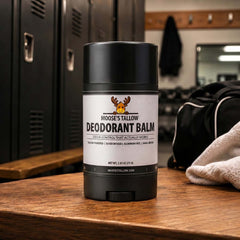
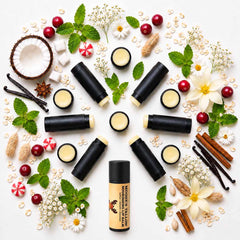
Different anhydrous formats solve different problems. Whipped butters and balms deliver rich, concentrated emollience, which makes them a good match for dry skin or areas that need extra barrier support. Solid sticks and balm-style sun products hold up well outdoors, since they resist melting and rinse-off better than a lotion in humid or sweaty conditions.
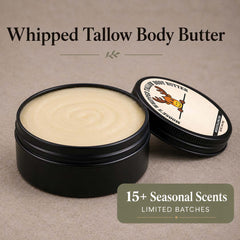
- Whipped body butters work well for everyday dry skin or targeted rough patches.
- Solid balms and sun sticks fit outdoor use, travel, and humid climates.
- Oil serums suit anyone layering a specific oil-soluble ingredient into a routine.
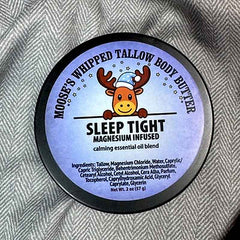
Our Tallow & Zinc Outdoor Sun Balm is built for time outside. The Whipped Tallow Body Butter targets everyday dryness, while the Coconut After Sun Body Butter is meant for skin that has had a long day in the heat.
How Moose’s Tallow puts water-free formulation into practice
I started this brand after a health scare made me actually read my lotion label. It had 52 ingredients, and the first one was water. That did not sit right with me.
Every batch we make now is handmade in small runs, built on beef suet tallow. We list every ingredient honestly, skip the fillers, and back orders with a satisfaction guarantee. Real customer reviews back up what we say on the label.
What manufacturers owe you under FDA labeling rules
Cosmetic companies carry real responsibility here, even without pre-market approval from regulators.
In the United States, cosmetic makers are legally responsible for product safety and for making sure labels are truthful. The FDA does not pre-approve cosmetic products before they hit the shelf. Instead, the responsibility falls on the manufacturer to avoid contamination, list ingredients correctly, and back up any claims made on the packaging.
This matters more with anhydrous products than people expect. A water-free label is not a safety claim. It describes a formulation type, not a guarantee of purity, freshness, or gentleness. A brand still has to control its manufacturing process, test for microbial safety using recognized methods, and keep its shelf life claims honest.
The Bacteriological Analytical Manual lays out how labs test cosmetics for microbial safety, including specific steps for anhydrous materials. That standard exists because oil-based products are not automatically exempt from contamination risk just because they lack water. Good manufacturers follow these protocols whether or not a regulator is standing over their shoulder.
When you are shopping for a water-free product, look for brands that list every ingredient plainly and describe their sourcing and batch practices. That level of detail usually signals a company that takes its labeling responsibility seriously, not just a marketing angle.

Which skin types benefit most from water-free products
Anhydrous formulas are not a universal upgrade. They tend to help specific skin types and situations more than others.
Dry, flaky, or rough skin often responds well to the concentrated emollience anhydrous balms and butters provide. Because there is no water to evaporate, these formulas can sit on the skin longer and support the barrier without needing constant reapplication.
Sensitive or reactive skin can also benefit, mainly because water-free formulas often carry a shorter ingredient list. Fewer stabilizers and emulsifiers are needed when there is no water phase to hold together, which can mean fewer chances for irritation.
Skin exposed to harsh outdoor conditions, wind, cold, or dry heat, tends to do well with anhydrous balms too. The oil-based barrier they create resists water loss better than a light lotion.
That said, oily or acne-prone skin needs a more careful approach. Heavy balms and butters can feel too rich for some people in this group, though texture tolerance varies a lot from person to person. Anyone managing active blemishes should pay close attention to how their skin responds rather than assuming any single format is right for them.
The best approach is simple: match the formula to the actual skin condition in front of you, not to a trend.
Anhydrous versus traditional lotions: efficacy and feel
The comparison between water-free and water-based skincare comes down to two things: how ingredients perform, and how the product feels on skin.
On performance, anhydrous formulas tend to hold an edge for oil-soluble and water-sensitive ingredients. Since certain actives degrade more slowly in oil-based or polyol-in-oil systems, water-free formulation is a deliberate choice for stability, not just a trend. Traditional aqueous lotions, on the other hand, handle water-soluble ingredients more naturally and often feel lighter going on.
Texture is where the two diverge the most. Anhydrous balms and butters feel richer and more occlusive. That heaviness is a feature for dry or barrier-stressed skin, but it can feel like too much for someone with naturally oily skin or a preference for fast-absorbing lotions.
Neither format is strictly better. Water-based lotions spread easily and often feel more familiar day to day. Anhydrous formulas trade that light feel for concentrated delivery and, in many cases, a longer shelf life once oxidation is properly managed. The right choice depends on the ingredient you are trying to deliver and the skin condition you are treating, not on which format sounds more advanced.
Myths about anhydrous skincare worth clearing up
A few misconceptions follow anhydrous products around, and most of them do not hold up.
The biggest one: water-free automatically means safer or more natural. It does not. Anhydrous simply describes the absence of an aqueous phase, nothing more. A product can be water-free and still contain synthetic ingredients, fragrance additives, or fillers that have nothing to do with skin health.
Another common myth is that water-free products never need preservation or careful handling. Removing water does lower one contamination pathway, but manufacturing, packaging, and how you personally handle the product still matter. Wet fingers in a jar can introduce exactly the kind of moisture and contamination the formula was designed to avoid.
Some people also assume anhydrous formulas last forever on a shelf. They do not. Oxidation still happens, just through a different route than microbial spoilage. Heat, light, and air exposure will eventually change how a balm smells, looks, and feels, regardless of its water content.
Last, there is a belief that oil-based formulas are inherently heavier or greasier than lotions. Texture really depends on the specific oils and waxes used. A well-balanced balm using stable carriers like fractionated coconut oil can absorb far better than a poorly designed one, water-free or not.

New directions in water-free formulation
Anhydrous formulation keeps evolving as more people look for shorter, more transparent ingredient lists.
One clear shift is toward polyol-in-oil systems, which let formulators include water-loving actives without breaking the anhydrous label. This approach is gaining traction because it solves a real problem: how to combine the shelf stability of an oil-based product with the functional benefits of ingredients that once required water.
Another trend is a renewed focus on carrier oil selection. As more brands compare stability data, fractionated coconut oil keeps showing up as a preferred choice for its resistance to oxidation and its long shelf performance, especially compared to less stable vegetable oils.
Solid formats are also growing. Balms, sticks, and whipped butters cut down on packaging waste and travel well, which appeals to people who want fewer ingredients and less plastic. Expect to see more brands leaning into small-batch production too, since shorter time between mixing and purchase naturally works in favor of oxidation-sensitive formulas.
Building an anhydrous routine that actually works
Layering water-free products takes a slightly different approach than a typical lotion routine.
Start with the lightest anhydrous product first, usually an oil serum if you use one, so it can absorb before you add anything heavier on top. From there, move to your primary balm or whipped butter, applying it to slightly damp skin if possible. This helps the product spread more evenly and can improve how it feels going on.
If you use a solid stick, like a balm or sun product, apply it as a final step. These formats are designed to sit on top of skin and create a barrier, so putting them on first can block anything applied afterward from absorbing properly.
Give each layer a minute to settle before adding the next one. Anhydrous products do not evaporate like water-based lotions, so rushing the process tends to leave skin feeling greasy rather than well cared for.
If you are combining tallow-based products with other skincare, apply water-free items last in your routine. That order lets any water-based steps absorb first, while the oil-based layer locks everything in afterward.
What actually matters when choosing water-free skincare
Stability, not marketing language, is the real reason to choose an anhydrous product. The formulation research backs this up: water-free systems help specific, water-sensitive ingredients hold up better over time. That is a targeted benefit, not a blanket upgrade over every water-based product on the shelf.
Where I think the conventional advice falls short is treating “anhydrous” as a stamp of quality on its own. It is a formulation strategy, nothing more. A poorly made water-free balm with unstable oils can go rancid faster than a well-preserved lotion. The label tells you what is missing, not what is inside.
If you take one thing from this, prioritize ingredient stability over the water-free claim itself. Look at the carrier oil, check whether an antioxidant is present, and pay attention to packaging. Those three details tell you far more about how a product will perform and age than the word “anhydrous” ever will.
— Brian Smith
Simple, water-free options if you want to try one
If you want to put any of this into practice, our lineup covers the formats we have talked about here. The Tallow & Zinc Outdoor Sun Balm fits time outside, when you need a stable barrier that holds up to sweat and sun. The Whipped Tallow Body Butter is built for everyday dry skin. The Coconut After Sun Body Butter is meant for skin that has spent too long in the heat.
Every formula is water-free, made in small batches, and built on properly rendered local beef suet tallow with no fillers. Check the ingredient list on any product page and read the storage directions before you buy. If you want to browse the full lineup, our full product collection covers everything from body care to grooming, each one backed by our 30-day guarantee.
Sources
- Study on the Stability of DeoxyArbutin in an Anhydrous Emulsion System | PMC
- Tocopherols as antioxidants in lipid-based systems: The combination of chemical and physicochemical interactions determines their efficiency | PubMed
FAQ
What is anhydrous skincare?
Anhydrous skincare refers to a cosmetic formula made without any water, relying instead on oils, waxes, butters, or silicones. It does not automatically mean the product is preservative-free, natural, or safer for every user.
What does “anhydrous serums” mean?
An anhydrous serum is a concentrated, oil-based formula with no aqueous phase, designed to deliver oil-soluble ingredients directly to the skin. It typically feels richer than a water-based serum and absorbs more slowly.
What are anhydrous chemicals?
In a skincare context, anhydrous chemicals are ingredients used in their water-free form, such as oils, waxes, or certain active compounds. Formulators choose these when water would interfere with an ingredient’s stability or function.
What is meant by anhydrous?
Anhydrous simply means without water. In skincare, it describes any product formulated entirely from oil-based, wax-based, or other non-aqueous ingredients.
How long do anhydrous skincare products typically last?
Shelf life depends on the carrier oils, antioxidants, and packaging used, since heat, light, and oxygen exposure are the main factors that shorten it. Storing products in a cool, dark place and keeping lids closed helps preserve freshness longer.
0 comments