

Yes, beeswax belongs in skincare, especially if your skin runs dry, tight, or sensitive. It works as an occlusive, meaning it sits on the skin surface and slows water loss so your skin barrier can hold onto moisture. A 2023 review of beeswax in skincare backs this up, and formulation standards for water-free balms echo the same point: beeswax structures oils without needing synthetic emulsifiers.
Here’s who tends to benefit most from beeswax-based products:
- Dry, flaky, or chapped skin that needs a moisture seal
- Sensitive skin looking for a shorter ingredient list
- Lips, hands, and feet, where skin is thinner and loses water fast
- Outdoor workers or hikers exposed to wind and cold
If you have very acne-prone skin, test first. Beeswax carries a low comedogenic rating, but every formula behaves differently once other oils enter the mix.
Pro Tip: Patch test any new beeswax balm on your inner forearm for two days before using it on your face. If you’re switching from a lotion, pair beeswax with a tallow-based balm for a fuller barrier-support routine.
Key Takeaways
Beeswax supports the skin barrier and helps skin hold moisture, making it one of the more dependable natural ingredients for dry or sensitive skin.
| Point | Details |
|---|---|
| Barrier support | Beeswax forms a breathable film that slows water loss and supports the skin barrier. |
| Low comedogenic risk | Most skin types tolerate beeswax well, though acne-prone skin should patch test first. |
| Contamination depends on sourcing | Water-free beeswax balms carry lower microbial risk than water-based creams without preservatives. |
| Check the full formula | Prefer minimal-ingredient, water-free products over long lists with hidden water phases. |
| Moose’s Tallow pairing | The brand builds balms around beeswax, beef suet tallow, and fractionated coconut oil for barrier support and stability. |
What Is Beeswax and How Is It Made for Skincare?
Beeswax appears on ingredient labels as Cera Alba (white or bleached beeswax) or Cera Flava (yellow, unbleached beeswax). Both come from the same source. Honeybees secrete wax to build honeycomb, and producers melt, strain, and filter it to remove honey, propolis, and debris before it reaches a cosmetic supplier.
Chemically, beeswax is a mix of wax esters, long-chain hydrocarbons, and free fatty acids, according to Koster Keunen’s formulation overview. That blend gives it a thermoplastic quality: solid at room temperature, but soft enough to melt against warm skin. Yellow beeswax keeps its natural color and light honey scent. White beeswax goes through a bleaching or filtering step to strip color and odor, which some formulators prefer for lighter-colored products.
When you’re reading a label, a few signals tell you something about quality:
| Grade | Typical Color | Melting Range | Common Use |
|---|---|---|---|
| Cera Flava (yellow) | Golden to amber | 61 °C | Balms, salves, rustic-style products |
| Cera Alba (white/filtered) | Pale to white | 61 °C | Creams, lotions, lighter-colored balms |
Melting behavior stays close between the two grades, based on Safic-Alcan’s formulation notes, since the main difference lies in color and filtration rather than core chemistry.
Pro Tip: Watch for labels that just say “wax” or “natural wax blend” without naming beeswax specifically. Vague labeling is one of the easiest signs of a diluted or adulterated product.
How Does Beeswax Actually Work on Skin?
Beeswax forms a semi-occlusive, breathable film on the skin’s surface. That film slows transepidermal water loss, or TEWL, which is the technical term for how fast water escapes through your skin into the air. Slower TEWL means your skin holds onto its own moisture longer, and dermatology research on beeswax points to this as its main mechanism.
Beeswax plays three roles at once:
- Occlusive: blocks some water loss by sitting on top of skin
- Emollient: softens and smooths the surface texture
- Mild humectant support: when paired with the right oils, it can help draw in a bit of extra moisture
Petroleum jelly is a pure occlusive. It blocks nearly all water loss but sits heavier and offers no emollient or textural benefit beyond the seal itself. Beeswax works differently. It’s lighter, it breathes more, and it gives formulators structure, meaning it can bind liquid oils into a stable balm without water or synthetic thickeners. That’s exactly why beeswax shows up so often in anhydrous, water-free formulas: it holds the oil phase together on its own.
Picture it this way: your skin surface is the floor, beeswax is the rug that lays over it, and moisture is the warmth that rug keeps from escaping through the cracks.
Pro Tip: If your moisturizer feels greasy but doesn’t actually stop dryness by evening, it may lean too heavily on occlusion alone. Beeswax-tallow blends tend to feel lighter while still holding that barrier.
What Skin Benefits Does Beeswax Actually Deliver?
Beeswax’s main job in skincare is simple: it helps skin hold onto moisture and feel less tight.
- Locks in moisture by slowing water loss through the skin’s surface
- Supports the skin barrier alongside barrier-friendly oils
- Feels gentle and non-stripping compared to alcohol-based or heavily fragranced products
- Improves texture and stability in balms, so they don’t separate or turn greasy
- May add antioxidant support when beeswax includes natural propolis traces, which research on propolis compounds links to antimicrobial and antioxidant activity
None of this means beeswax treats or heals anything. Think of it as support, not repair. It manages the environment your skin sits in, so your skin’s own processes can do their job with less water loss working against them.
Pro Tip: A beeswax balm should soften and start to melt within a few seconds of body heat. If it stays stiff and hard to spread, the formula may be too wax-heavy and not oil-balanced enough.
Is Beeswax Comedogenic? Who Should Use It?
Beeswax is generally considered to have a low risk of clogging pores for most people. That rating alone doesn’t guarantee a product won’t break you out, since the full formula, not just one ingredient, decides that outcome.
Skin types that tend to do well with beeswax:
- Dry, flaky, or rough skin looking for barrier support
- Chapped lips, cracked hands, and dry heels
- Sensitive skin that reacts to synthetic fragrance or long ingredient lists
- Barrier-compromised skin, including skin dried out by cold weather or frequent handwashing
If your skin is very acne-prone, patch test first and watch how your skin responds over a week, not just a day. Frequency matters too. A thin layer on lips or hands behaves differently than a thick layer left on oily, acne-prone facial skin overnight.
Pro Tip: Apply a beeswax-tallow balm to a small patch of skin, like your jawline, for three to five nights. If your skin can absorb it and looks calm each morning, you’re likely a good match. For faster absorption, look for a formula that pairs beeswax with fractionated coconut oil rather than a heavy plant butter.
Are There Side Effects or Contamination Risks With Beeswax?
Beeswax is generally non-irritating, but true allergy is possible, and sourcing quality matters more than people expect. Reactions are more often tied to what’s blended with the beeswax, not the wax itself.
- Contact allergy: rare, but possible, especially with propolis-rich beeswax
- Additives: fragrance, dyes, or propolis extract can be the real trigger behind a reaction
- Adulteration: cheaper waxes get stretched with paraffin or other fillers, and reviews of natural wax quality flag this as a genuine concern in unregulated supply chains
- Pesticide residue: beeswax quality depends on the health of the hive and how it’s processed, so traceability matters
Warning: Beeswax on its own is not a true emulsifier. Formulation guidance on beeswax notes it needs saponification with something like borax, or an added emulsifier, to blend properly with water. DIY creams that mix beeswax and water without a preservative can grow bacteria and mold within days, even if they look fine on the surface.
That’s one reason water-free beeswax balms carry less contamination risk than water-based creams. No water phase means nothing for bacteria to grow in.
Pro Tip: Choose sealed, small-batch products from a supplier who names their beeswax source. A brand that tells you where its tallow and wax come from is a brand that has nothing to hide.
How Do You Use Beeswax Products in a Skincare Routine?
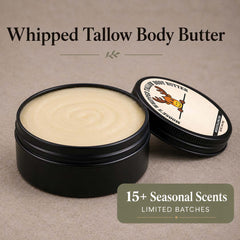
Beeswax shows up most often in lip balms, salves, whipped body butters, and thicker creams, and each format calls for a slightly different approach.
- Warm a small amount of balm between your fingers before applying, so it spreads evenly instead of dragging.
- Apply to clean, slightly damp skin to help the product seal in existing moisture rather than sitting on dry skin.
- Use daily on lips, hands, and heels, since these areas lose moisture the fastest.
- If you use a serum, apply it first, then follow with a beeswax balm to lock the layer underneath.
- Skip heavy application directly over active breakouts if you’re prone to acne, and stick to spot use elsewhere.
A beeswax-tallow balm behaves differently than a water-based cream. Creams spread thin and absorb fast because water evaporates quickly, but that water leaves once it’s gone, along with whatever short-term hydration it gave you. A water-free balm works slower to apply but stays put, forming that protective film that keeps working for hours.
Pro Tip: Look for a beeswax balm built on fractionated coconut oil rather than a heavy vegetable oil. Fractionated coconut oil absorbs faster, resists going rancid, and helps a balm feel less greasy on contact.
What Should You Look for When Buying Beeswax Skincare?
Choose minimal-ingredient, water-free balms when barrier support and low contamination risk are the goal. A short ingredient list is often the clearest sign of a well-made product.
Run through this checklist when you’re scanning a label:
- Beeswax listed clearly as Cera Alba or Cera Flava, not a vague “natural wax”
- A named carrier oil, like fractionated coconut oil, rather than “vegetable oil blend”
- Beef suet tallow or another named fat as the base, not water listed first
- Vitamin E (tocopherols) for oxidative stability
- Jojoba, castor, or egg yolk infused oil for added skin-feel benefits
- No hidden water phase without a listed preservative
| Carrier Option | Oxidation Resistance | Absorption Speed | Shelf Stability |
|---|---|---|---|
| Fractionated coconut oil | High | Fast | Long |
| Unrefined vegetable oils (olive, avocado, almond) | Lower, prone to rancidity | Slower | Shorter |
Fractionated coconut oil holds up better on the shelf and skin because its structure resists oxidation, which is why Moose’s Tallow builds every balm around it instead of oils that turn rancid faster.
Pro Tip: If a product lists water anywhere in the first five ingredients, check for a preservative on the label too. If you don’t see one, put it back.
What Does the Clinical Research on Beeswax Actually Show?
Reviews and small clinical studies support beeswax’s role in barrier support and moisture retention, though the research base is still thin compared to more studied ingredients. That distinction matters for anyone weighing marketing claims against what’s actually been tested.
- A 2023 review of beeswax in skincare confirms its occlusive, barrier-supporting mechanism at the skin surface
- A narrative review in the Journal of Cosmetic Dermatology pulled over 100 articles but found only a handful of true clinical studies, pointing to benefits in wound-care mixes and barrier markers alongside a call for more controlled trials
- Formulation-focused sources, rather than clinical trials, cover most of what’s published about beeswax’s structural and stabilizing properties in cosmetics
| Source Type | What It Covers | Study Count Noted |
|---|---|---|
| Clinical/narrative reviews | Barrier function, wound-care mixes | Small number of clinical studies within 100+ articles reviewed |
| Formulation literature | Composition, stability, melting behavior | Not study-based; industry and technical sourcing |
For readers who want to go deeper, the Journal of Cosmetic Dermatology review and the PMC biomedical review on natural waxes are the two most readable starting points, since both explain findings in plain enough language for a non-scientist to follow.
Why I Build Every Balm Around Beeswax
I started Moose’s Tallow after flipping over a lotion bottle and counting 52 ingredients. Water was the first one listed. That moment changed how I thought about skincare, and beeswax became one of the few ingredients I trust without hesitation.
Beeswax pairs naturally with beef suet tallow. Tallow supplies the fatty-acid profile close to what your own skin produces, and beeswax gives that tallow structure, so a balm holds its shape in a jar or a tin without turning to liquid in a warm car. I add fractionated coconut oil because it absorbs fast and doesn’t turn rancid the way heavier plant oils can. Vitamin E protects that oil blend from oxidation. Jojoba and castor round out the feel, and egg yolk infused oil adds a layer of nourishment I haven’t found a substitute for.
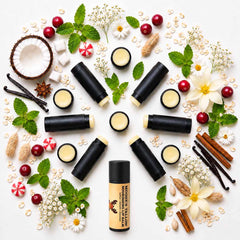
Our Vanilla Beef Tallow Lip Balm is a clear example. Beeswax gives it the glide and hold you want from a balm, so it doesn’t melt into nothing the second it touches your skin, while the tallow underneath does the real work of supporting your skin barrier.
Where a Beeswax-Tallow Balm Fits Your Routine
If your skin is dry, cracked, or worn down by weather, a water-free beeswax-tallow balm is built for exactly that. Moose’s Tallow is the alternative to water-heavy lotions with long ingredient lists: fewer ingredients, no water phase to preserve, and a formula built entirely around what your skin already recognizes.
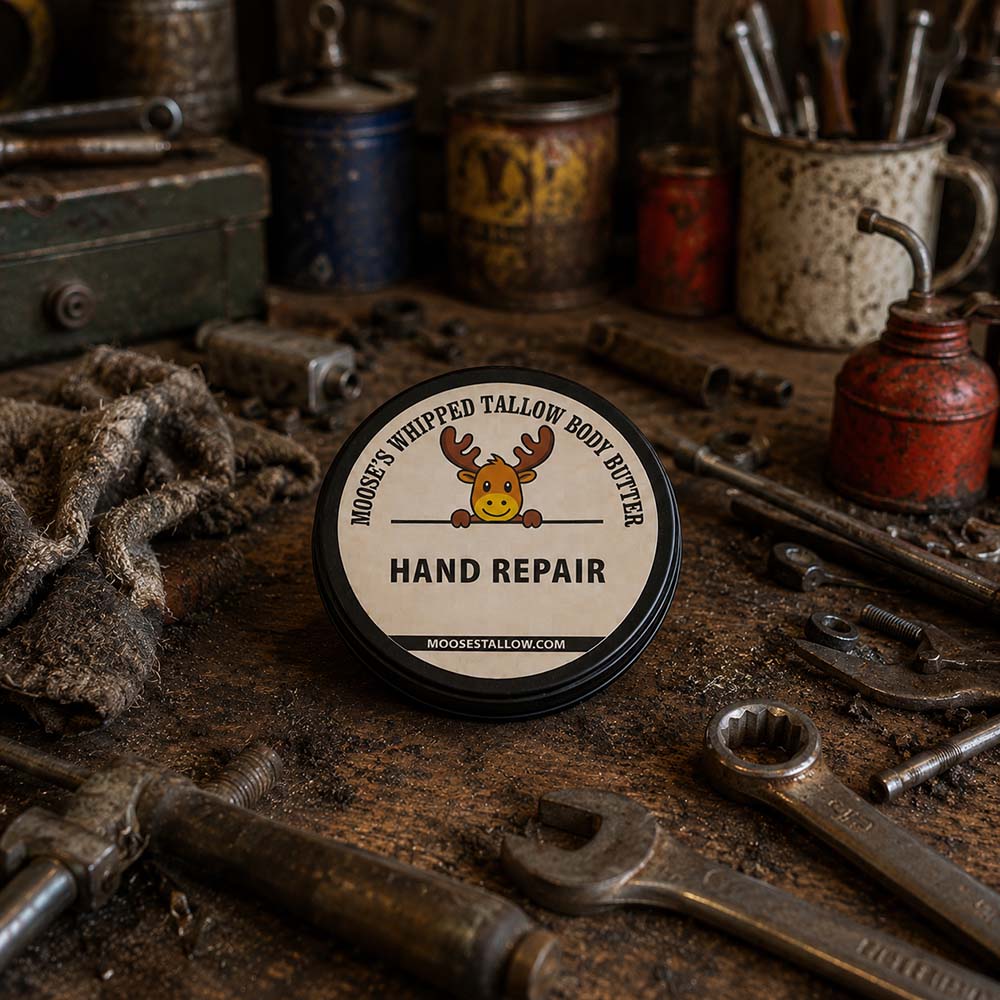
Our Vanilla Beef Tallow Lip Balm puts this into practice. Beeswax gives it structure and a smooth glide, beef suet tallow supplies the barrier support, and fractionated coconut oil helps it absorb without feeling greasy. Vitamin E, jojoba, castor, and egg yolk infused oil round out a short, intentional ingredient list, with nothing added as filler.
If you’re tired of guessing what’s actually in your balm, check the full product lineup and pick one built around tallow and beeswax instead of water and fillers. Every order ships with a 60-day guarantee, so trying it costs you nothing but a few minutes.
Sources
A few sources cover different angles of beeswax, from chemistry to clinical relevance, and each adds something the others don’t.
- A review of the use of beeswax in skincare
- MDPI review: beeswax functional roles in formulations
- PMC review on natural waxes and biomedical applications
- Formulate natural oils & waxes (Safic-Alcan)
For readers who want a broader look at ingredient choices, our guide on what makes skincare natural covers certifications and sourcing signals worth checking beyond beeswax alone.
FAQ
Is beeswax good for your skin?
Yes. Beeswax forms a breathable film that slows moisture loss and supports the skin barrier, making it especially useful for dry or sensitive skin.
Can bacteria grow in beeswax?
Pure beeswax itself resists microbial growth, but water-based creams containing beeswax without a preservative can develop bacteria or mold. Water-free beeswax balms carry a much lower contamination risk.
What are the potential side effects of applying beeswax to the skin?
Beeswax is generally non-irritating, but contact allergy is possible, especially in products blended with propolis or fragrance. Sourcing quality also affects the risk of contamination or residue.
Can beeswax clog pores?
Beeswax is generally considered to have a low risk of clogging pores for most people. Very acne-prone skin should still patch test, since the full formula, not beeswax alone, determines pore-clogging risk.
What’s the difference between beeswax and petroleum jelly in skincare?
Petroleum jelly is a pure occlusive that blocks nearly all water loss, while beeswax is lighter, more breathable, and adds structure to water-free balms without the heavy feel.


0 comments