

Most beard itch comes from the skin under the hair, not the hair itself. That skin is dry, dirty, irritated, or all three. Clean it gently. Moisturize it while it is still damp. Keep your routine small. If the itch brings flakes, pus, or pain, get it checked.
I’m Brian, and I make beard balm for a living. I also know how maddening an itchy beard feels. This guide covers what usually causes it. It also covers what to do about it, and when a balm is the wrong tool.
TL;DR
- Itch starts under the beard. Wash and moisturize the skin, not just the hair.
- Use lukewarm water. Pat dry. Moisturize while the skin is still slightly damp.
- Use a small amount of a simple, water-free balm. Patch-test it first.
- Flakes, greasy patches, and red scaly skin may be beard dandruff. A balm will not fix that alone.
- See a clinician for pus, pain, broken skin, hair loss, or ring-shaped redness.
Why your beard itches in the first place
A beard is hair growing out of skin. The skin does the itching. Hair only holds things against it.
There are a few usual causes.
Dry skin. Hot showers, cold air, and harsh soap strip skin oils. Dry skin feels tight and prickly. A growing beard makes it worse because the hair tips poke and rub.
Buildup. Dermatologist Alok Vij, MD, points out that a beard can trap skin cells, oil, bacteria, and yeast. That is why cleaning the skin beneath matters more than rinsing the hair.
Shaving and trimming. Fresh stubble is sharp. Short hairs can curl back into the skin. Dull blades add to the problem.
Product overload. Many men stack wash, conditioner, oil, butter, and balm. Too much product can irritate skin. It can also leave residue.
Something medical. Beard dandruff, folliculitis, and beard ringworm can all look like a simple itch. These need different care.

Work out which kind of itch you have
Look closely in a mirror with good light. Then match what you see.
| What you notice | What it often points to | What to do first |
|---|---|---|
| Tight, dry skin, no rash | Dry skin | Gentle wash, moisturize, small amount of balm |
| Itch right after a shave or trim | Razor irritation | Change shaving habits, soften hair first |
| Flakes, greasy patches, red scaly skin | Beard dandruff or seborrheic dermatitis | Dandruff care, see a dermatologist if it persists |
| Pus-filled bumps, pain, broken skin | Folliculitis or infection | See a clinician |
| Ring-shaped redness, hair loss | Possible beard ringworm | See a clinician |
This table is a guide, not a diagnosis. If you are unsure, a dermatologist can tell in a few minutes.
A simple daily routine for an itchy beard
Keep this short. Three minutes is enough. The American Academy of Dermatology (AAD) recommends washing daily and matching your moisturizer to your skin type. Here is how we’d do it.
- Wash gently. Use a mild cleanser made for your skin type. Massage it through the beard down to the skin.
- Rinse with lukewarm water. Hot water dries skin out. Rinse until the cleanser is gone.
- Pat dry. Use a clean towel. Do not rub hard. Leave the skin slightly damp.
- Moisturize right away. Work a simple, fragrance-free moisturizer through the beard. Reach the skin.
- Seal with a little balm. Warm a small amount in your palms. Press it into the beard and skin.
- Brush or comb lightly. This spreads the balm. It also lifts loose flakes and hairs.
That is the whole routine. No ten steps. No shelf of bottles.
Why damp skin matters
Moisturizer works best on skin that still holds some water. Water-free balms do not add water. They help hold in what is already there. So apply them after washing, not on bone-dry skin.
Go easy on product
A pea-sized amount covers a short beard. A longer beard may need a little more. Start small and add only if you need to.
Stop any product that burns. Stop it too if redness gets worse. The AAD notes that overdoing products and scrubbing hard are common setbacks.
Itch after shaving or trimming
If the itch shows up a day after the razor, look at your technique first.
- Soften the hair with warm water before you shave.
- Use shaving cream or gel for glide.
- Shave in the direction the hair grows.
- Keep blades clean and replace them when they dull.
- Consider an electric razor if you get bumps often.
The AAD lists these and more in its razor bump prevention tips. Letting hair grow can also help. Short hairs that curl inward are a big cause of bumps.
Trimming works the same way. A sharp, clean trimmer on slightly softened hair is gentler than a dull one on dry hair.
Once the shave is done, rinse with cool water. Pat dry. Apply a thin layer of balm to calm the dry feeling. Do not scrub the bumps. Scrubbing makes them angrier.
Flakes, grease, and red patches
Sometimes the itch comes with a dusting of flakes. You may also see greasy patches or scaly red skin under the hair. That can be beard dandruff.
The AAD describes this in its guide to DIY care for common beard problems. It explains that mild cases may call for a dandruff shampoo used on the beard. It also suggests washing the beard at least once a week in that case. Follow the label on whichever product you choose.
Here is the honest part. A tallow balm is not dandruff care. It can soften dry skin and make a beard feel better. It cannot replace dandruff care when scale and redness keep coming back. The AAD’s page on seborrheic dermatitis treatment describes two phases. First you calm the flare. Then you keep a maintenance routine.
Mayo Clinic says that after symptoms clear, a medicated shampoo may be used once a week or every two weeks. Do not use medicated products forever without following the label or your clinician.
If you want to read more about recognizing flakes and maintenance care, this Slovenian pharmacy guide to seborrheic scalp care covers the basics, though it is written in Slovenian. We also wrote about pairing a dandruff routine with tallow. Use it as a companion, not a substitute for medical advice.
When the itch needs a doctor
Some signs mean stop experimenting. Seek medical care for:
- Itch that does not settle
- Pus-filled bumps
- Pain
- Broken or crusted skin
- Hair loss in patches
- Ring-shaped redness
These can point to folliculitis or beard ringworm instead of simple dryness. Cleveland Clinic explains that folliculitis needs evaluation when bumps are persistent or severe. It also says beard ringworm may need antifungal medicine from a clinician. A balm will not do that job.
A dermatologist is the right person to see. A primary care doctor can also start the conversation.
Our point of view: keep it simple
I started this company after a health scare. I looked at my lotion label. It listed 52 ingredients, and the first was water. I wanted something simpler.
That is how we think about beards too. Skin does not need a long ingredient list. It needs the right ingredients.
Here is what we believe about beard care:
- Skin comes first. A good beard grows from comfortable skin. Wash and moisturize the skin, then think about the hair.
- Less is better. Every extra step is another chance to irritate. One wash, one moisturizer, one balm is plenty.
- Water-free matters. Our formulas contain no water. That means we do not rely on filler to hold a recipe together.
- Tallow is always the star. We use properly rendered, local beef suet tallow. Its fatty-acid profile is close to your skin’s own oils. It absorbs cleanly and supports the skin barrier.
- Every ingredient has a job. Beeswax gives the balm hold. Vitamin E (tocopherols) helps keep the oils fresh. Jojoba and castor add feel and glide. Egg yolk infused oil rounds out the blend.
- Our carrier oil is fractionated coconut oil. It is stable and resists oxidation. It absorbs easily and lasts on the shelf. We skip olive, avocado, almond, shea, grapeseed, and other vegetable oils.
We are honest about limits, too. Tallow is not for everyone. Some skin does not like it. Patch-test first. If your problem looks medical, see a professional.
— Brian Smith
What to look for in a beard balm
Balm is the last step, not the first. When you shop, read the label the way you would read a food label.
A short ingredient list. You should recognize most of what you see. Long lists with fragrance blends and fillers raise the odds of irritation.
No water. Water-based products need preservatives. Water-free balms do not. That is one reason we make ours without it.
Light scent, or none. Dermatology guidance favors fragrance-free products for sensitive skin. If your skin is touchy, choose carefully. Scented balms are fine for many men, but they are a risk if you react easily.
A texture you will actually use. A balm that feels greasy sits on the hair and gets skipped. Use only a small amount. It should melt in your hands and spread thin.
Our guide to tallow for sensitive skin explains how a minimal formula supports the barrier. If you are comparing styles, our write-up on beard balm alternatives lays out the main types.
How to patch-test
Do this before you put anything new on your whole beard.
- Wash and dry a small spot, such as behind the ear or the inner forearm.
- Rub in a tiny amount of balm.
- Leave it alone for 48 hours.
- Watch for redness, burning, bumps, or new itch.
- If anything shows up, wash it off and do not use the product.
The same rule applies to any new oil, tallow or not. Dermatology guidance supports gentle, simple products for sensitive skin. It does not show that tallow suits every person.
Our beard balm, if you want a simple option
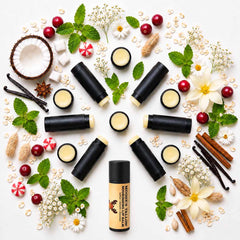
If you want a water-free balm for a dry, itchy beard, we make a few. Our Tallow Beard Balm starts at $20. Each one is handmade in small batches in Lebanon, PA. Each one uses local beef suet tallow and is infused with egg yolk oil.
Pick the scent that suits you:
Want to see everything else we make? Browse the full collection. It includes natural deodorant, hair clay, and hand cream.
These balms are cosmetic. They are made to moisturize and soften. They are not a medicine.

Habits that quietly keep the itch going
Sometimes the fix is what you stop doing.
- Hot showers. They feel good and dry out skin.
- Harsh soap or body wash on the face. Use a gentle cleanser instead.
- Scrubbing hard. Rough scrubbing irritates skin. A gentle exfoliating scrub is only for men who get ingrown hairs, and only lightly.
- Touching and scratching. Scratching breaks skin and adds irritation.
- A dirty towel or brush. Wash both often.
- Skipping sun protection. The AAD suggests a moisturizer with SPF 30 or higher while stubble is short. Sun-dry skin itches more.
- Dry winter air. Heated indoor air pulls moisture from skin. A little extra moisturizer helps.
What about the early weeks of growth?
The first few weeks are the hardest. Hair is short and stiff. It pokes at the skin and curls back. Many men quit here.
Get through it with the basics. Wash gently. Moisturize. Do not shave it down in frustration, since that resets the process. Leave it alone and keep the skin comfortable. The itch often eases as the hair lengthens and softens.
A weekly rhythm that works
Here is a plain schedule you can follow.
| When | What |
|---|---|
| Every morning | Rinse, pat dry, moisturize, small amount of balm |
| Every evening | Gentle wash, lukewarm rinse, pat dry, moisturize |
| Once a week | Wash the towel and brush. Check the skin for flakes or bumps |
| After shaving or trimming | Cool rinse, pat dry, thin layer of balm |
If you notice flakes returning, treat that as a signal. Go back to the section above on flakes. Do not keep adding products.
Frequently asked questions
Does a beard have to be itchy?
No. Some itch is normal in the first weeks as hair grows in. After that, ongoing itch usually points to dry skin, buildup, or irritation. Washing the skin underneath and moisturizing often settles it.
Is beard itch a sign of dandruff or just dry skin?
Look for flakes along with greasy patches or red, scaly skin. That pattern may be beard dandruff. Plain dry skin feels tight and looks dull, without much redness. If you cannot tell, a dermatologist can sort it out.
Can tallow balm stop beard itch?
For dry, tight skin, a small amount of simple balm can help the beard feel softer and less prickly. It will not fix an infection or dandruff. Patch-test first, and see a clinician if the itch persists.
How often should I wash my beard?
The AAD advises washing daily with a gentle cleanser. Massage it down to the skin. If your skin gets dry, go gentler and use less cleanser rather than skipping the wash. Dandruff care may call for a different schedule, so follow the label.
When should I see a doctor about my itchy beard?
See one for pus-filled bumps, pain, broken skin, hair loss, or ring-shaped redness. Go too if the itch will not quit after a couple of weeks of gentle care. These signs can mean more than dryness.
Sources
- A dermatologist’s top tips for a healthy beard, AAD
- DIY treatment for 5 common beard problems, AAD
- 6 razor bump prevention tips from dermatologists, AAD
- Seborrheic dermatitis: Diagnosis and treatment, AAD
- Seborrheic dermatitis: Diagnosis and treatment, Mayo Clinic
- What may be causing your itchy beard? Cleveland Clinic
- Folliculitis, Cleveland Clinic
- Tinea barbae (beard ringworm), Cleveland Clinic
0 comentarios