





You climb into bed exhausted, yet your mind races and your body stays tense. Hours pass as you toss and turn, searching for the deep rest that never comes. Despite trying different pillows, supplements, and sleep positions, quality sleep remains frustratingly out of reach. The truth is, your body needs clear signals that it’s time to wind down. A simple, calming bedtime routine for better sleep prepares both mind and muscles for restorative rest, helping you transition naturally into deeper sleep stages without complicated protocols or expensive gadgets.
Table of Contents
- What You Need: Preparation For A Calming Bedtime Routine
- Step-By-Step Simple Bedtime Routine To Improve Sleep Quality
- Common Mistakes And Tips For A Successful Sleep Routine
- What To Expect: Benefits And Measuring Deeper Sleep Progress
- Enhance Your Bedtime Routine With Natural Wellness Products
- Frequently Asked Questions About Bedtime Routines And Deeper Sleep
Key takeaways
| Point | Details |
|---|---|
| Consistent routine signals sleep | Regular evening habits train your body to recognize bedtime and initiate natural relaxation responses. |
| Magnesium supports muscle relaxation | Topical or supplemental magnesium calms the nervous system and eases physical tension before sleep. |
| Environment preparation matters | Dimming lights, cooling the room, and reducing stimulation create ideal conditions for deeper rest. |
| Small steps create lasting change | Simple additions like calming scents and gentle stretching compound over time to improve sleep quality. |
What you need: preparation for a calming bedtime routine
Before you can enjoy deeper sleep, you need to set up your environment and gather the right tools. Creating a sleep sanctuary starts with your bedroom itself. Your space should feel cool, quiet, and dark. Aim for a temperature between 60 and 67 degrees Fahrenheit. Block out external light with blackout curtains or an eye mask. Remove electronic devices that emit blue light or create distracting notifications.
Next, gather the physical items that support relaxation. Topical magnesium before bed relaxes muscles and improves sleep quality, making magnesium lotions or body butters essential tools. Choose products with calming scents like lavender or chamomile, as the role of scent in skincare extends beyond fragrance to actual physiological responses. Keep comfortable bedding that feels soft against your skin. Natural fibers like cotton or linen regulate temperature better than synthetic materials.
Timing matters as much as materials. Decide on a consistent bedtime and work backward to establish when your routine begins. Most effective routines start 30 to 60 minutes before you want to fall asleep. This window gives your body adequate time to shift from active mode to rest mode. Consistency trains your circadian rhythm, making sleep onset easier over time.
| Item Category | Specific Examples | Purpose |
|---|---|---|
| Environment controls | Blackout curtains, white noise machine, thermostat | Block stimulation and maintain ideal sleep temperature |
| Relaxation products | Magnesium lotion, calming body butter, essential oil diffuser | Ease muscle tension and signal relaxation through scent |
| Comfort items | Soft bedding, supportive pillow, breathable sleepwear | Enhance physical comfort throughout the night |
| Timing tools | Alarm for routine start, dimmer switches, sleep journal | Maintain consistency and track progress |
Pro Tip: Set up your bedroom 30 minutes before starting your routine. Dim the lights, adjust the temperature, and lay out your relaxation products so everything is ready when you begin winding down.
Consistency transforms these preparations from occasional efforts into automatic habits. Your brain begins associating these environmental cues with sleep, triggering natural drowsiness even before you lie down. The investment in preparation pays dividends in sleep quality within just a few weeks of regular practice.
Step-by-step simple bedtime routine to improve sleep quality
Now that your environment is ready, follow these specific steps to create a natural sleep routine that signals your body to prepare for deep rest. Each action builds on the previous one, creating a cascade of relaxation responses.
-
Set your consistent start time. Choose the same time each evening to begin your routine, even on weekends. Your body’s internal clock thrives on predictability. Starting at 9:30 PM every night, for example, trains your nervous system to anticipate sleep around 10:30 PM. This consistency matters more than the specific hour you choose.
-
Perform gentle movement. Spend five to ten minutes doing light stretching or deep breathing exercises. Focus on areas that hold tension like your neck, shoulders, and lower back. Slow, deliberate movements combined with deep belly breathing activate your parasympathetic nervous system. This physiological shift moves you from fight-or-flight mode into rest-and-digest mode.
-
Apply relaxation products. Magnesium helps relax muscles and calm the nervous system to facilitate deeper sleep. Massage magnesium lotion into your legs, feet, and any areas of physical tension. The act of self-massage itself promotes relaxation, while the magnesium bedtime lotion benefits include reduced muscle cramping and improved sleep onset. Take your time with this step, making it a mindful ritual rather than a rushed task.
-
Introduce calming scents. Use products with lavender, chamomile, or vanilla notes to engage your olfactory system. Scent molecules directly influence the limbic system, the part of your brain that processes emotions and memory. Familiar, pleasant aromas create psychological safety, making it easier to let go of daily stress. Apply scented body butter or use a diffuser with essential oils.
-
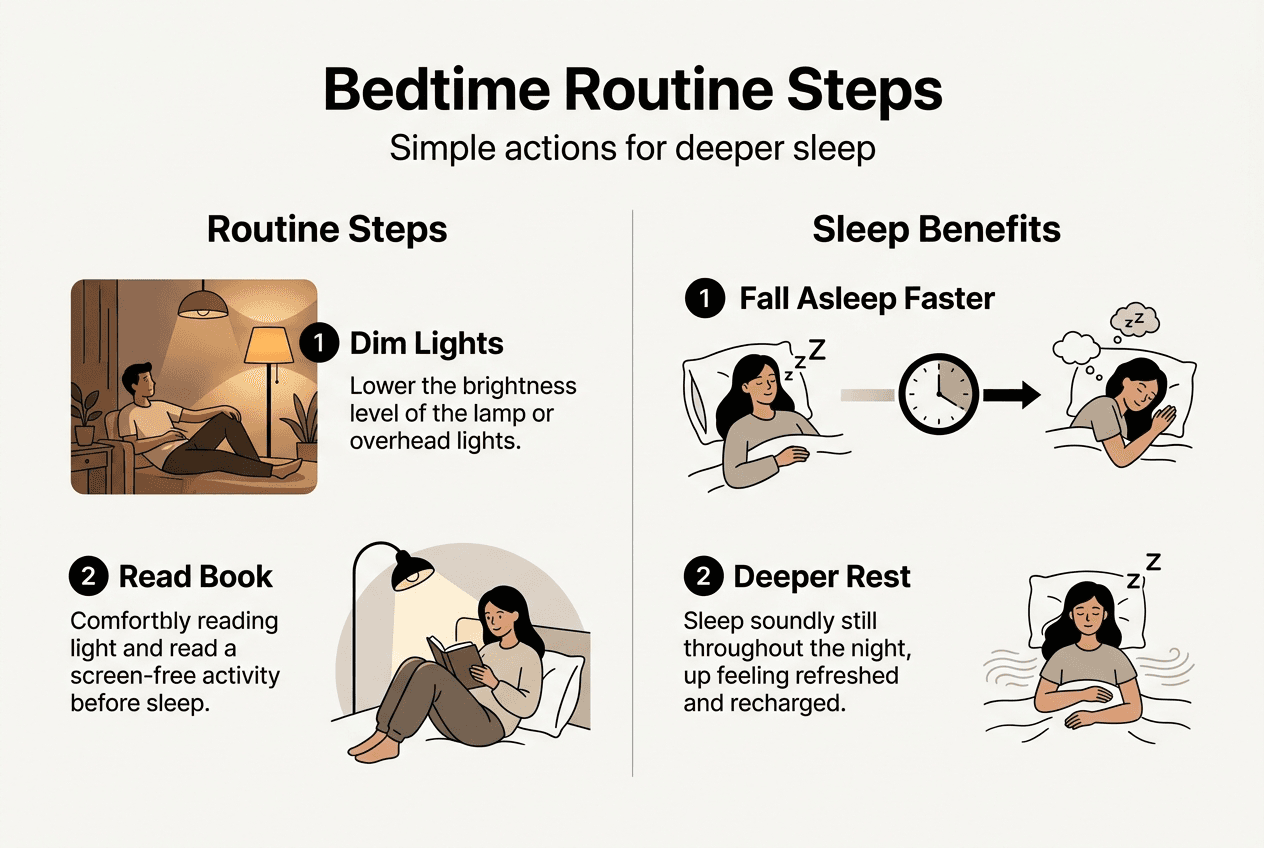
Eliminate light and screens. Dim all lights to their lowest setting or switch to warm-toned lamps. Put away phones, tablets, and laptops at least 30 minutes before bed. Blue light from screens suppresses melatonin production, the hormone that regulates your sleep-wake cycle. If you must use a device, enable night mode and keep it at arm’s length.
Pro Tip: Keep a glass of water by your bed before starting your routine. Waking up thirsty in the middle of the night disrupts deep sleep cycles, so hydrating beforehand helps you stay asleep longer.
The power of this routine lies in its simplicity and repeatability. You’re not trying to perfect each step. You’re building a reliable sequence that your body recognizes as the bridge between wakefulness and sleep. Within two weeks of consistent practice, most people notice they feel drowsy as soon as they begin step one.

Common mistakes and tips for a successful sleep routine
Even with the best intentions, certain habits undermine your routine’s effectiveness. Recognizing these pitfalls helps you maintain consistency and maximize results. The most common mistakes share a theme: they introduce variability or stimulation when your body needs predictability and calm.
Avoid these frequent errors:
- Irregular bedtimes destroy the routine’s power. Inconsistent sleep schedules reduce sleep quality and disrupt the body’s natural rhythms. Going to bed at 10 PM one night and midnight the next confuses your circadian system.
- Screen time right before bed floods your brain with blue light and stimulating content. Even a quick scroll through social media activates your mind when you need it to quiet down.
- Skipping relaxation steps when you feel tired seems logical but backfires. Your body still needs the transition period to move from alert to deeply relaxed, regardless of how exhausted you feel.
- Neglecting environment preparation means you’re trying to sleep in conditions that work against rest. A room that’s too warm, too bright, or too noisy prevents deep sleep even if you fall asleep initially.
- Consuming stimulants late in the day sabotages your routine before it begins. Caffeine has a half-life of five to six hours, meaning an afternoon coffee still affects your system at bedtime.
Consistency is the cornerstone of any effective sleep routine. Your body cannot adapt to a pattern it doesn’t recognize. Commit to the same sequence at the same time for at least three weeks before judging results. The cumulative effect of regular practice far exceeds the benefit of any single perfect night.
Pro Tip: Prepare your bedroom and lay out your relaxation products right after dinner. This removes decision-making from your tired evening self and makes following through on your routine nearly effortless.
Another subtle mistake involves trying too hard to fall asleep. Paradoxically, the more you focus on sleeping, the more alert you become. Your routine should end with you lying down calmly, trusting that sleep will come. If you’re still awake after 20 minutes, get up and do a quiet activity in dim light until you feel drowsy again. This prevents your brain from associating your bed with wakefulness.
Success comes from viewing your routine as non-negotiable self-care rather than an optional luxury. You wouldn’t skip brushing your teeth because you’re tired. Apply the same mindset to your sleep preparation. The magnesium muscle relaxation 2026 research shows that consistent application yields better results than sporadic use, and the same principle applies to your entire routine.
What to expect: benefits and measuring deeper sleep progress
Once you establish your routine, specific improvements emerge within days to weeks. Understanding these changes helps you recognize progress and stay motivated. Sleep quality improvements happen gradually, with some benefits appearing immediately and others developing over time.
You’ll likely notice faster sleep onset first. Instead of lying awake for 30 to 45 minutes, you may fall asleep within 15 minutes of lying down. This happens because your routine trains your body to associate specific cues with sleep. Your brain releases melatonin on schedule, and your muscles relax more readily.
Deeper sleep phases follow next. You spend more time in slow-wave sleep, the stage where your body performs critical repair and restoration. This manifests as fewer nighttime awakenings and less tossing and turning. You might wake up in the same position you fell asleep in, indicating you stayed in deep sleep longer.
| Sleep Quality Indicator | Before Routine | After Routine (3-4 weeks) |
|---|---|---|
| Time to fall asleep | 30-45 minutes | 10-20 minutes |
| Nighttime awakenings | 3-5 times | 0-2 times |
| Morning energy level | Groggy, need multiple alarms | Alert, wake naturally |
| Daytime sleepiness | Frequent, especially afternoon | Rare, sustained energy |
| Sleep satisfaction | 4-5 out of 10 | 7-9 out of 10 |
Establishing a bedtime routine improves sleep onset latency and overall sleep quality, with measurable changes appearing within the first month. Physical signs of deeper sleep include:
- Waking up feeling genuinely refreshed rather than hitting snooze repeatedly
- Reduced muscle soreness and tension, especially in areas where you applied magnesium products
- Improved mood and emotional regulation throughout the day
- Better focus and cognitive performance during morning hours
- Decreased reliance on caffeine to maintain alertness
Tracking your progress doesn’t require expensive technology. A simple sleep journal captures the patterns that matter most. Each morning, note what time you started your routine, what time you fell asleep (approximately), how many times you woke up, and how you feel upon waking. Rate your sleep quality on a scale of one to ten. After two weeks, patterns emerge that show which elements of your routine work best.
Wearable devices can provide additional data if you want objective measurements. Look for metrics like total sleep time, time spent in deep sleep, and resting heart rate. A lower resting heart rate during sleep indicates better cardiovascular relaxation. However, don’t let technology replace your subjective experience. How you feel matters more than any number on a screen.
Some people see dramatic improvements within a week, while others need three to four weeks to notice significant changes. Your baseline sleep quality, stress levels, and overall health influence how quickly you respond. Patience and consistency matter more than immediate results. The goal is sustainable, long-term improvement rather than a quick fix.
Enhance your bedtime routine with natural wellness products
Your commitment to better sleep deserves support from products designed specifically for evening relaxation. Moose’s Tallow offers a range of natural, handcrafted items that complement your bedtime routine perfectly. Each product features thoughtfully rendered beef tallow, a traditional ingredient that moisturizes deeply while supporting your skin’s natural barrier.

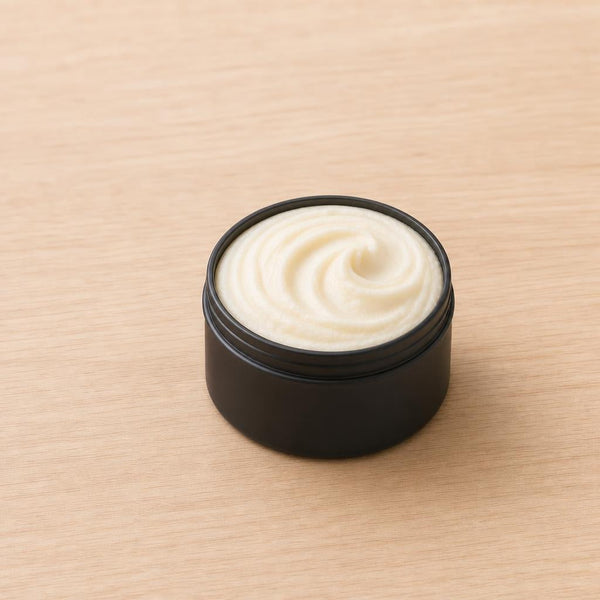
The magnesium infused body butter product combines muscle-relaxing magnesium with nourishing tallow and calming scents. Massage it into your legs and feet during step three of your routine for enhanced relaxation. The rich texture absorbs without greasiness, leaving skin soft and comfortable throughout the night. Explore the full range of featured beef tallow items to find products that match your preferences, from honeyed notes to soft spices. Browse the complete Moose’s Tallow product collection to discover how simple, intentional ingredients can transform your evening ritual into a truly restorative experience.
Frequently asked questions about bedtime routines and deeper sleep
What is the best time to start a bedtime routine?
Start your routine 30 to 60 minutes before your target sleep time. If you want to fall asleep at 10:30 PM, begin your routine between 9:30 and 10:00 PM. Consistency matters more than the specific hour, so choose a time you can maintain seven days a week, including weekends.
Can using magnesium products cause any side effects before sleep?
Topical magnesium is generally well tolerated with minimal side effects. Some people experience slight tingling when first applying it, which typically fades within minutes. If you have sensitive skin, test a small area first. The magnesium sleep science shows that absorption through skin provides benefits without the digestive issues some experience with oral supplements.
How long does it take to see improvements in sleep quality?
Most people notice easier sleep onset within one week of consistent practice. Deeper improvements like reduced nighttime awakenings and better morning energy typically appear after two to four weeks. Your body needs time to adjust its circadian rhythm and establish new associations between your routine and sleep.
Are scents like lavender scientifically proven to help with sleep?
Yes, research demonstrates that lavender and similar calming scents reduce anxiety and promote relaxation through direct effects on the limbic system. The olfactory response happens quickly, making scent a powerful tool for signaling your brain that it’s time to wind down. Individual preferences vary, so choose scents that feel personally soothing.
Is it necessary to avoid all screens before starting the routine?
While complete avoidance is ideal, even reducing screen time helps significantly. If you must use a device, enable night mode to minimize blue light exposure and keep the screen dimmed. The key is preventing stimulating content and bright light from activating your brain when it needs to quiet down for sleep.


0 comments