

Most people assume the best skincare ingredients come from plants or labs. But egg yolk oil quietly challenges that idea. It carries a rich blend of lipids and vitamins that many leading commercial moisturizers simply don’t include, making it one of the more underrated natural ingredients in skincare today. Whether you’re dealing with dry skin, dull hair, or tired-looking under-eyes, egg yolk oil offers something genuinely worth understanding. And when paired with tallow, the results get even more interesting.
Table of Contents
- What is egg yolk oil and how is it made?
- Skin science: How egg yolk oil nourishes and repairs
- Real benefits of egg yolk oil for dry skin and skin health
- Egg yolk oil vs tallow: Which suits your skin needs?
- Expert advice and important considerations
- How to incorporate egg yolk oil into your skincare routine
- Explore more natural skin solutions
- Frequently asked questions
Key Takeaways
| Point | Details |
|---|---|
| Deep nourishment | Egg yolk oil delivers lipids and vitamins that deeply hydrate and repair skin. |
| Ideal for dryness | Its unique composition makes egg yolk oil effective for dry, mature, or sensitive skin. |
| Natural synergy | Egg yolk oil can be paired with tallow or plant oils to personalize skin routines. |
| Patch test first | Always test a small area before full use to check for sensitivities or allergies. |
What is egg yolk oil and how is it made?
Egg yolk oil is exactly what it sounds like: oil extracted from the yolk of chicken eggs. The extraction process matters a lot here. Low-heat or cold-press methods are preferred because they preserve the delicate nutrients that make this oil so effective. High heat destroys those compounds, leaving you with something far less useful.
What you get from a well-extracted egg yolk oil is genuinely impressive. It is rich in phospholipids, triglycerides, cholesterol, vitamins A, D, E, K, and bioactive compounds that support deep skin penetration and nutrient delivery. That combination is rare. Most plant oils offer fatty acids and maybe one or two vitamins. Egg yolk oil brings a much broader nutritional profile.
Here’s a quick look at its key components:
| Component | Role in skin health |
|---|---|
| Phospholipids (lecithin) | Supports cell membrane integrity, aids absorption |
| Triglycerides | Moisturizes and softens skin texture |
| Cholesterol | Reinforces the skin barrier |
| Vitamin A | Supports cell turnover and smoothness |
| Vitamin D | Helps regulate skin cell growth |
| Vitamin E | Antioxidant protection, reduces oxidative stress |
| Vitamin K | Supports skin tone and under-eye appearance |
What sets egg yolk oil apart from most other oils is its natural emulsifying ability. Because it contains lecithin, it blends easily with both water-based and oil-based formulas. That makes it uniquely versatile in skincare formulations.
- Extracted from egg yolks using low-heat or cold-press methods
- Contains a broader vitamin profile than most plant oils
- Naturally emulsifying due to lecithin content
- Compatible with both animal-based and plant-based skincare blends
- Suitable for use in creams, serums, balms, and hair products
Skin science: How egg yolk oil nourishes and repairs
Understanding the ingredients is just the start. What really matters is how egg yolk oil interacts with your skin once applied.
The phospholipids in egg yolk oil are structurally similar to the lipids found in your skin’s own cell membranes. That similarity is what allows the oil to absorb so effectively rather than just sitting on the surface. It works with your skin, not against it. The oil penetrates the skin barrier and delivers bioactive compounds that reduce inflammation, enhance elasticity, and promote regeneration, making it especially useful in creams and serums for mature or dry skin.
The vitamins play their own important roles. Vitamin A supports cell turnover, which means fresher, smoother skin over time. Vitamin E fights oxidative stress, which is one of the main drivers of premature aging. Together, they create a compounding effect that goes beyond simple surface hydration.
Egg yolk oil doesn’t just moisturize. It feeds the skin with nutrients that support its natural repair processes, making it a genuinely functional ingredient rather than a cosmetic filler.
For those with dry, sensitive, or mature skin, this matters a great deal. The skin barrier in these cases is often compromised, meaning it loses moisture faster and reacts more easily to irritants. Egg yolk oil helps address that at a structural level.
- Phospholipids mirror the skin’s own lipid structure for better absorption
- Reduces inflammation and soothes reactive or irritated skin
- Supports elasticity and firmness over consistent use
- Helps rebuild a weakened or compromised skin barrier
- Works well alongside other nourishing ingredients like beef tallow
Pro Tip: Apply egg yolk oil to slightly damp skin right after cleansing. The moisture already present helps the oil absorb more evenly and deeply.
Real benefits of egg yolk oil for dry skin and skin health
With the science clear, it’s time to look at what egg yolk oil actually does for your skin in practical terms.
The moisturizing benefits are well supported. Egg yolk oil hydrates dry skin, improves elasticity, reduces wrinkles, soothes eczema and dermatitis, and supports anti-aging via antioxidants that combat oxidative stress. These aren’t just marketing claims. They reflect the actual function of the compounds inside the oil.
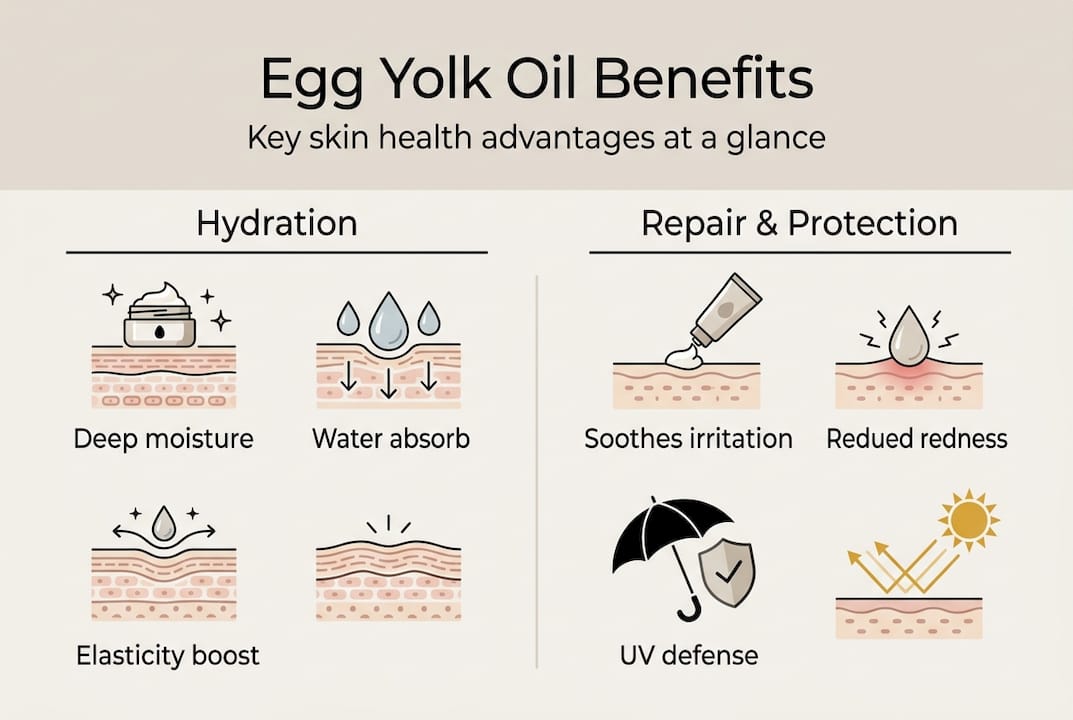
Clinical use backs this up further. Evidence shows effectiveness in preserving epidermal structure post-UV exposure and reducing sunburn inflammation, which points to real protective and restorative capacity. The cosmetics market has taken notice, with growing use of egg yolk oil specifically for its moisturizing and emollient properties.

For under-eyes specifically, the combination of vitamin K, hydrating lipids, and anti-inflammatory compounds makes egg yolk oil a smart choice. It helps soften the look of dryness-related fine lines and supports the delicate skin in that area without feeling heavy.
For lips, the nourishing fats and vitamins provide intense conditioning and protection. For hair and beard care, egg yolk oil adds shine, reduces frizz, and supports softness and strength over time.
Here’s how to start using it effectively:
- Patch test first. Apply a small amount to your inner arm and wait 24 hours before using it on your face or body.
- Start with a small area. Use it on one targeted zone, like dry hands or under-eyes, before adding it to your full routine.
- Layer it correctly. Apply egg yolk oil after cleansing and toning but before heavier creams or balms.
- Combine with tallow for a synergistic effect. Tallow seals the barrier while egg yolk oil penetrates and nourishes. Together, they cover more ground. If you’re managing eczema relief naturally, this pairing is worth exploring.
- Be consistent. Results build over weeks, not days. Give it at least three to four weeks before evaluating.
Pro Tip: For under-eye care, warm a tiny amount of egg yolk oil between your fingertips and gently pat it around the orbital bone. Never drag or rub the skin in that area.
Egg yolk oil vs tallow: Which suits your skin needs?
Both tallow and egg yolk oil are trending in natural skincare, and for good reason. They share important qualities: both are animal-derived, both are rich in skin-compatible lipids, and both absorb well without the synthetic additives found in many commercial products.
But they work differently. Tallow closely mimics human sebum and excels at sealing and repairing the skin barrier. Its saturated fats create a protective layer that locks in moisture and keeps irritants out. Egg yolk oil, on the other hand, brings phospholipids and a broader vitamin profile that support deeper penetration and active regeneration.
| Feature | Egg yolk oil | Tallow |
|---|---|---|
| Primary lipids | Phospholipids, triglycerides | Saturated fats, oleic acid |
| Vitamin content | A, D, E, K, B vitamins | A, D, E, K |
| Skin barrier repair | Moderate | Strong |
| Penetration depth | Deep | Moderate |
| Best for | Mature, dry, sensitive skin | Dry, damaged, barrier-compromised skin |
| Emulsifying ability | High (due to lecithin) | Low |
| Comedogenic risk | Low to moderate | Low |
For a deeper look at how animal-based oils compare to plant alternatives, tallow vs plant oils for skin hydration is worth reading.
Here’s a simple guide to help you decide:
- Dry or mature skin: Use both. Egg yolk oil penetrates and feeds; tallow seals and protects.
- Sensitive or reactive skin: Start with tallow for barrier repair, then introduce egg yolk oil gradually.
- Normal skin: Either works well. Egg yolk oil adds a vitamin boost; tallow keeps things balanced.
- Oily or acne-prone skin: Proceed with caution. Both are low-risk, but patch testing is essential. Check our tallow product checklist for guidance on choosing the right formula.
Expert advice and important considerations
Before you introduce egg yolk oil to your routine, a few honest points are worth knowing.
First, the research landscape. Empirical data on topical egg yolk oil is still limited, with most support coming from industry sources, market analysis, and isolated case studies rather than large clinical trials. That doesn’t mean it doesn’t work. It means you should approach it with realistic expectations and pay attention to how your own skin responds.
Second, allergies. If you have a known egg allergy, skip this one entirely or consult a dermatologist first. For everyone else, a patch test is still the right starting point.
Third, quality matters enormously. Cold-pressed, unrefined egg yolk oil retains far more of its active compounds than refined versions. Look for that on the label. For more on what to look for in nourishing skincare with beef tallow, the same principles apply: fewer ingredients, better sourcing, honest formulations.
- Always patch test before full application
- Choose cold-pressed, unrefined oil for maximum nutrient density
- Avoid if you have a confirmed egg allergy
- Store in a cool, dark place to prevent oxidation
- Use as a complement to your moisturizer, not a replacement
- Combine with compatible emollients like tallow for custom blends
How to incorporate egg yolk oil into your skincare routine
Armed with the science and the cautions, here’s how to actually build egg yolk oil into your daily care.
Egg yolk oil works well in creams and serums for mature and dry skin, but it’s also effective in balms, lip treatments, and hair products. The format matters less than the consistency of use.
- Cleanse your skin with a gentle, non-stripping cleanser morning or evening.
- Apply any water-based toner or essence while skin is still slightly damp.
- Warm a few drops of egg yolk oil between your palms and press gently into skin. For under-eyes, use your ring finger and pat lightly.
- Follow with a tallow balm or cream to seal everything in and reinforce the barrier. This layering approach is one of the most effective ways to use beef tallow skincare benefits alongside egg yolk oil.
- For hair and beard care, apply a small amount to damp hair, focusing on ends and dry patches. Leave in or rinse after a few minutes depending on your hair type.
- For lips, apply a thin layer before bed as an overnight treatment. The nourishing fats work while you sleep.
- Track your results. Take a photo on day one and again at week four. Skin changes are gradual, and having a visual reference helps you see real progress.
Store your egg yolk oil in a dark glass bottle away from heat and light. Oxidation is the enemy of any lipid-rich oil, and proper storage extends both shelf life and effectiveness.
Explore more natural skin solutions
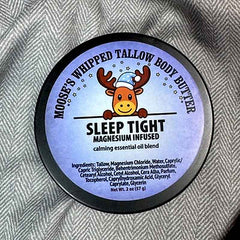
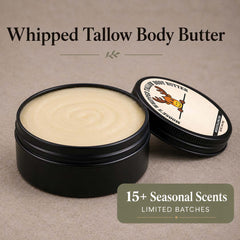
At Moose’s Tallow, we believe every ingredient should earn its place. That’s exactly why we use egg yolk oil in a handful of our carefully crafted products. It pairs beautifully with our tallow base, adding depth of nourishment that goes beyond what tallow alone provides. The result is a richer, more complete formula that supports your skin barrier, feeds your skin with vitamins, and feels genuinely good to use.

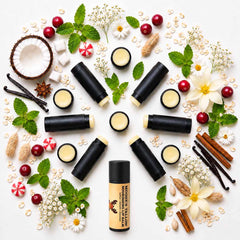
If you’re ready to experience what thoughtfully blended, natural skincare actually feels like, our natural skincare products are a great place to start. Each formula is handcrafted in small batches, free from unnecessary fillers, and built around ingredients that have a real reason to be there. Simple, honest, and made with care.
Frequently asked questions
Is egg yolk oil safe for all skin types?
Egg yolk oil is generally safe for most skin types, but anyone with egg allergies or acne-prone skin should patch test before use to check for sensitivity or comedogenic reactions.
Can I use egg yolk oil with other oils like tallow or plant oils?
Yes, egg yolk oil blends well with tallow and plant oils. Its phospholipids aid emulsification and penetration when combined, making multi-oil blends more effective than single-oil applications.
What results can I expect with regular use?
Most users notice softer, more hydrated skin and improved elasticity within a few weeks. Egg yolk oil hydrates, improves elasticity, and soothes eczema with consistent use over time.
Are there side effects to be aware of?
Some people may experience mild irritation or breakouts, particularly those with sensitivities or allergies. Always test for allergies and comedogenicity before applying to larger areas of skin.
Recommended
- Tallow vs Plant Oils: 22% Better Hydration for Your Skin – Moose’s Tallow
- Retinol Risks in Pregnancy and Natural Eye Care – Moose’s Tallow
- EGG YOLK INFUSED OIL INFORMATION – Moose’s Tallow
- Egg Yolk Infused Oil in Amber Dropper Bottle – Moose’s Tallow
- Moroccan Oil Explained: Origins, Uses, and Benefits
0 comments