





Most people reach for melatonin when sleep becomes elusive, assuming it’s the universal fix for every sleep struggle. But if muscle tension keeps you tossing or restless legs disrupt your nights, melatonin might not address the root cause. Magnesium works differently, targeting physical relaxation and nervous system balance rather than circadian rhythm alone. This guide clarifies how each supplement functions, which sleep disturbances they address best, and how to choose the right natural aid for your specific needs. You’ll discover practical strategies to improve sleep quality based on what’s actually keeping you awake.
Table of Contents
- Key takeaways
- How melatonin regulates sleep and helps circadian rhythm disorders
- Magnesium’s impact on muscle relaxation and sleep quality
- Comparing melatonin and magnesium for specific sleep issues: muscle tension and restless legs
- Practical guide to choosing and using magnesium or melatonin for better sleep
- Explore natural sleep aids at Moose’s Tallow
- FAQ
Key Takeaways
| Point | Details |
|---|---|
| Circadian rhythm focus | Melatonin mainly coordinates the sleep wake cycle and is most helpful for jet lag shift work and delayed sleep phase issues, not for muscle tension or restless legs. |
| Not a blanket solution | Melatonin should be used for timing issues rather than general sleep problems, as it does not address physical factors like tension or restless legs. |
| Magnesium for relaxation | Magnesium supports muscle relaxation and nervous system balance and improves subjective sleep quality by reducing muscle tension and calming nerves. |
| Mixed restless legs evidence | Some people may experience relief from restless legs with magnesium, but research on this outcome remains inconclusive overall. |
| Long term risks | Prolonged nightly melatonin use beyond one year has been linked to higher risks of heart failure hospitalization and mortality, so extended use should be approached with caution. |
How melatonin regulates sleep and helps circadian rhythm disorders
Your body produces melatonin naturally when darkness signals the pineal gland to prepare for sleep. This hormone doesn’t knock you out like a sedative. Instead, melatonin regulates the sleep-wake cycle by adjusting your internal clock, reducing the time it takes to fall asleep by communicating that nighttime has arrived.
Research shows melatonin works particularly well for specific situations. Travelers crossing time zones, shift workers adjusting schedules, and people with delayed sleep phase syndrome see the clearest benefits. Meta-analyses demonstrate meaningful improvements in sleep onset, though the effect on total sleep duration remains modest.
Typical melatonin protocols include:
- Dosing between 1 to 5 mg taken 30 to 120 minutes before desired bedtime
- Starting with lower doses and adjusting based on response
- Timing consistently to reinforce circadian patterns
- Using primarily for short-term or situational needs rather than chronic nightly use
Pro Tip: Reserve melatonin for circadian rhythm disruptions like jet lag rather than general sleep problems. If you’re struggling with physical tension or restless legs, melatonin won’t address those mechanical sleep disruptors effectively.
The short-term safety profile of melatonin appears solid for most adults. However, long-term use exceeding one year has been associated with increased risks of heart failure, hospitalization, and mortality in insomnia patients. These findings suggest caution with extended nightly supplementation.
“Melatonin should be considered a tool for specific sleep timing issues, not a blanket solution for all sleep disturbances. Its strength lies in circadian adjustment, not in addressing physical factors that prevent relaxation.”
Understanding these limitations helps you match the supplement to your actual sleep challenge rather than assuming one solution fits all scenarios.
Magnesium’s impact on muscle relaxation and sleep quality
Magnesium functions as a critical mineral in over 300 enzymatic reactions throughout your body, including those governing muscle contraction, nerve transmission, and neurotransmitter activity. When magnesium levels fall short, muscles may remain tense, nerves stay overstimulated, and physical relaxation becomes difficult even when you’re mentally ready for sleep.
Unlike melatonin’s circadian focus, magnesium promotes muscle relaxation through multiple pathways. It modulates GABA receptors, the same neurotransmitter system that calming medications target. Magnesium also acts as a natural NMDA receptor antagonist, reducing nervous system excitability. These mechanisms explain why magnesium helps sleep by creating physical and neurological conditions conducive to rest.
Studies examining magnesium’s role in sleep quality show improvements primarily in subjective measures. People report feeling more rested and experiencing deeper sleep, though objective polysomnography measurements don’t always confirm these changes. This gap suggests magnesium enhances the sleep experience even when technical sleep architecture remains unchanged.

Pro Tip: Consider magnesium supplementation especially if you suspect deficiency or muscle tension impacting sleep. Signs include frequent muscle cramps, eyelid twitches, or difficulty relaxing physically at bedtime.
The evidence for restless leg syndrome remains inconsistent. Some studies show no clear benefit for leg cramps or RLS symptoms in the general population, while others report improvements in specific subgroups, particularly those with documented magnesium deficiency. This variability highlights the importance of individual assessment rather than universal recommendations.
Magnesium supports sleep through:
- Reducing muscle tension and physical restlessness
- Enhancing GABA activity for nervous system calming
- Decreasing cortisol levels that interfere with relaxation
- Supporting parasympathetic nervous system dominance
- Improving subjective sleep quality and morning alertness
Different magnesium forms offer varying absorption rates and tissue targeting. Magnesium L-threonate crosses the blood-brain barrier more effectively, potentially enhancing cognitive and neurological benefits. Magnesium bisglycinate provides excellent absorption with minimal digestive upset. Magnesium citrate offers good bioavailability but may have mild laxative effects at higher doses.
Comparing melatonin and magnesium for specific sleep issues: muscle tension and restless legs
Restless leg syndrome creates uncomfortable sensations in your legs, typically worsening during rest and temporarily relieved by movement. This condition directly interferes with sleep onset and maintenance, creating a frustrating cycle of exhaustion without relief. Muscle tension operates similarly, keeping your body in a state of readiness that prevents the deep relaxation necessary for quality sleep.
When comparing supplements for these specific challenges, the mechanisms matter more than general sleep benefits. Magnesium shows mixed results for RLS, with some randomized controlled trials reporting reduced symptoms and improved sleep, particularly a 2024 pilot using 200mg magnesium citrate. However, systematic reviews find insufficient evidence for broad recommendations, suggesting benefits may depend on individual magnesium status.
| Consideration | Melatonin | Magnesium |
|---|---|---|
| Mechanism for muscle issues | Minimal direct effect on muscle tension | Direct muscle relaxation and nerve modulation |
| RLS effectiveness | Not specifically beneficial | Potentially helpful if deficient, but evidence mixed |
| Physical relaxation | Indirect through sleep timing | Direct through neuromuscular pathways |
| Best candidates | Circadian rhythm disorders, jet lag | Muscle tension, twitching, suspected deficiency |
| Long-term safety | Cardiovascular concerns with extended use | Generally well-tolerated long-term |
| Onset of effects | 30-120 minutes before sleep | May require several weeks for full benefits |
Expert recommendations for muscle tension and RLS:
- Melatonin works better for circadian issues like jet lag
- Magnesium is preferable for muscle tension and RLS-related disturbances due to relaxation effects
- Evidence for magnesium in RLS remains weaker than for other treatments
- Prioritize magnesium for health-conscious individuals with deficiency risks
- Consider other first-line RLS treatments before relying solely on magnesium
The practical reality is that magnesium addresses the physical components of sleep disruption while melatonin handles timing issues. If your legs won’t stop moving or your shoulders stay tense despite mental fatigue, natural restless legs remedies including magnesium make more physiological sense than melatonin. Conversely, if you feel physically relaxed but can’t initiate sleep at the right time, melatonin targets the actual problem.
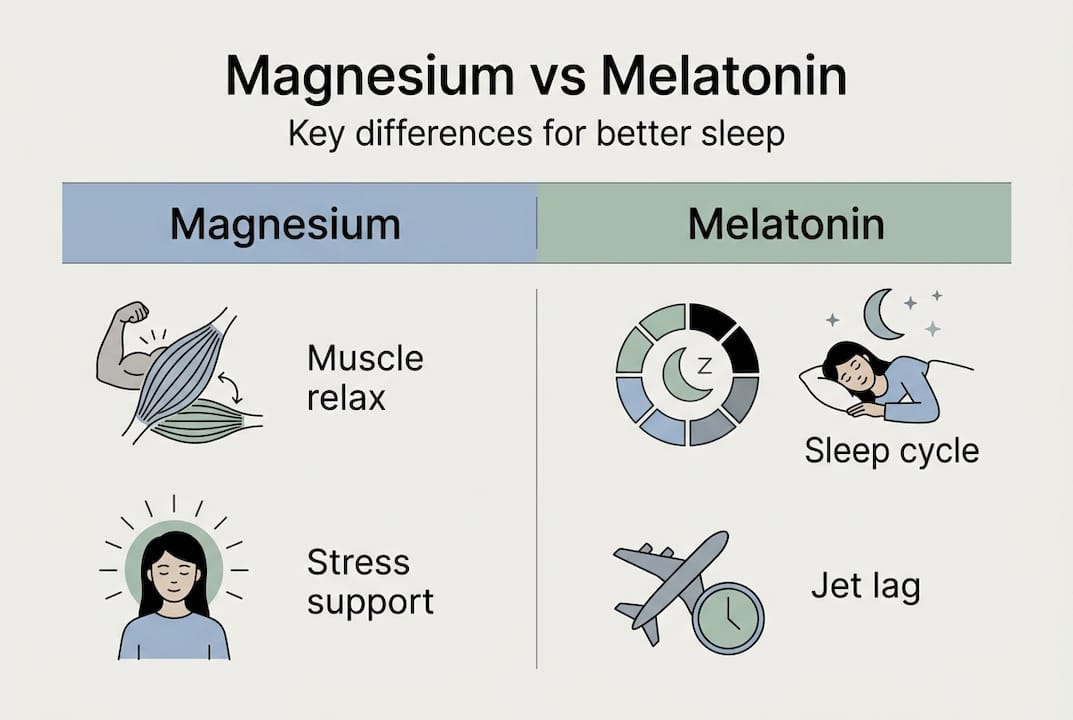
Integrating either supplement works best within a comprehensive approach. A consistent bedtime routine for sleep amplifies the benefits of supplementation by creating behavioral and environmental cues that support natural sleep processes.
Practical guide to choosing and using magnesium or melatonin for better sleep
Selecting the right supplement requires honest assessment of your specific sleep challenges. Follow this systematic approach to match your needs with the appropriate solution.
Step-by-step selection process:
- Identify your primary sleep disturbance. Do you struggle falling asleep at the right time, or does physical tension prevent relaxation?
- Evaluate timing patterns. If sleep issues worsen after travel or schedule changes, consider melatonin. If tension builds throughout the day and peaks at bedtime, try magnesium.
- Assess deficiency risk factors. Poor diet, high stress, intense exercise, or digestive issues increase magnesium deficiency likelihood.
- Start with appropriate dosing. Melatonin: 1-3mg initially, 30-60 minutes before bed. Magnesium: 200-400mg daily, preferably with dinner or before bed.
- Monitor effects for two weeks minimum. Magnesium benefits build gradually, while melatonin works more immediately.
- Adjust timing and dosage based on response. Some people need melatonin earlier or later depending on individual metabolism.
- Recognize when to discontinue. If melatonin causes morning grogginess or magnesium produces digestive upset, reassess your approach.
Pro Tip: Integrate lifestyle habits like calming bedtime routines to enhance natural sleep aids’ efficacy. Supplements work best as part of comprehensive sleep hygiene, not as standalone solutions.
To optimize magnesium absorption, take it with food to reduce digestive discomfort and enhance uptake. Avoid taking calcium supplements simultaneously, as they compete for absorption. Choose chelated forms like bisglycinate or glycinate for better tolerance and bioavailability.
For melatonin, consistency matters more than dosage. Taking it at the same time nightly reinforces circadian patterns more effectively than sporadic use at varying doses. Avoid bright light exposure after taking melatonin, as this counteracts its signaling effects.
Combination magnesium-melatonin-B complex improved insomnia in controlled studies, suggesting synergistic benefits for some individuals. The magnesium addresses physical relaxation while melatonin handles timing, creating comprehensive support. However, always consult a healthcare professional before combining supplements, particularly if you take medications or have underlying health conditions.
Topical magnesium offers an alternative delivery method that bypasses digestive absorption issues. Applying magnesium oil or lotion to legs and feet before bed may provide localized muscle relaxation benefits while contributing to overall magnesium status. This approach integrates well with stretching and other physical relaxation techniques.
Understanding the magnesium sleep science behind different forms helps you make informed choices. L-threonate for cognitive benefits, bisglycinate for sensitive stomachs, citrate for those needing mild digestive support. Match the form to your specific needs and tolerance.
The most effective strategy combines appropriate supplementation with behavioral changes. Reduce screen time before bed, maintain consistent sleep schedules, create a cool and dark sleeping environment, and practice gentle stretching or relaxation exercises. These habits create the foundation that allows supplements to work optimally.
Regular reassessment prevents unnecessary long-term supplementation. Once sleep improves consistently, try reducing frequency or dosage to determine if you still need daily supplementation. Many people find that addressing underlying magnesium deficiency or resetting circadian rhythm allows them to maintain good sleep with only occasional supplement use.
Explore natural sleep aids at Moose’s Tallow
If you’re ready to address muscle tension and physical restlessness affecting your sleep, topical magnesium products offer a practical addition to your nightly routine. Applying magnesium-infused formulations directly to tense areas creates localized relaxation while supporting overall mineral status.

Moose’s Tallow specializes in natural, health-conscious approaches that complement your body’s inherent wisdom. Our Sleep Tight Magnesium Infused Tallow combines bioavailable magnesium with deeply nourishing tallow, creating a bedtime ritual that addresses both skin health and muscle relaxation. The simple, intentional formulation avoids unnecessary additives while delivering genuine benefits.
Natural sleep support options include:
- Magnesium-infused tallow balms for targeted muscle relaxation
- Soothing lotions designed for evening application
- Comprehensive sleep support blends combining complementary ingredients
- Gentle formulations suitable for sensitive skin
Pro Tip: Consider trying topical magnesium products as part of your bedtime routine for enhanced relaxation. The act of massaging tension-prone areas while delivering magnesium creates a calming ritual that signals your body it’s time to unwind.
Explore our complete natural sleep aids collection to discover how thoughtfully crafted products support your journey toward better rest. Each formulation reflects our commitment to simple ingredients, honest craftsmanship, and the comfort you deserve.
FAQ
Is melatonin safe to take every night?
Melatonin is generally safe for short-term use, typically up to a few months. However, long-term nightly use exceeding one year has been associated with increased risks of heart failure, hospitalization, and mortality in insomnia patients. Experts recommend using melatonin situationally for circadian rhythm disruptions rather than as a chronic nightly supplement. If you find yourself relying on melatonin every night for extended periods, consult a healthcare provider to address underlying sleep issues.
Can magnesium help if I have restless leg syndrome?
Magnesium may help some individuals with RLS, particularly those with documented magnesium deficiency. Research shows mixed results, with some studies reporting symptom reduction and improved sleep while systematic reviews find insufficient evidence for broad recommendations. Other treatments remain preferred as first-line therapy for RLS. If you suspect magnesium deficiency contributes to your symptoms, trying supplementation under medical supervision makes sense, but don’t expect it to replace proven RLS treatments. Consider exploring natural restless legs remedies as complementary approaches.
Is it safe to combine melatonin and magnesium for sleep?
Combining melatonin and magnesium can enhance sleep benefits for some people, as they work through different mechanisms. One study found that magnesium-melatonin-B complex improved insomnia more effectively than single supplements alone. The magnesium addresses physical relaxation and muscle tension while melatonin handles circadian timing. However, always consult a healthcare professional before starting combination supplementation, especially if you take medications or have underlying health conditions. Start with lower doses of each to assess tolerance before increasing.
How long does it take for magnesium to improve sleep?
Magnesium benefits typically build gradually over several weeks rather than working immediately like melatonin. Most people notice subtle improvements in muscle relaxation and sleep quality within one to two weeks of consistent supplementation. Full benefits may take four to six weeks as your body replenishes magnesium stores and physiological processes normalize. Patience is essential, as magnesium addresses underlying deficiencies rather than providing acute sleep-inducing effects. Consistent daily use at appropriate doses yields better results than sporadic supplementation.
What’s the best form of magnesium for sleep and muscle relaxation?
Magnesium bisglycinate offers excellent absorption with minimal digestive side effects, making it ideal for sleep and muscle relaxation. Magnesium L-threonate crosses the blood-brain barrier effectively, potentially enhancing neurological benefits. Magnesium citrate provides good bioavailability but may cause loose stools at higher doses. Avoid magnesium oxide, which has poor absorption despite being inexpensive. Topical magnesium applied to legs and feet before bed provides localized benefits while bypassing digestive absorption issues entirely, making it a practical option for those with sensitive stomachs.
Recommended
- Why magnesium helps you sleep better: science guide 2026 – Moose’s Tallow
- Topical magnesium before bed: does it really work? – Moose’s Tallow
- How magnesium relaxes muscles for better sleep in 2026 – Moose’s Tallow
- Magnesium Bedtime Lotion: Sleep and Skin Benefits – Moose’s Tallow
- Come Meditare a Letto: Rilassa la Mente e Migliora il Sonno



0 comments